Estimated costs for setting up a holiday home in Dubai
CategoriesBlogs

Setting Up a Holiday Home in Dubai: Total Costs and Expected Returns

Over the past decade, Dubai has evolved far beyond a short-term travel destination.

It’s now positioned as a lifestyle capital where several global residents return year after year, not just as visitors, but as homeowners.

This shift has fuelled a growing interest in holiday homes, where personal use blends seamlessly with rental income opportunities.

Only a few markets offer the same balance of regulation, demand, stability, and lifestyle appeal as Dubai’s residential sector. From compact studios to luxurious houses with amenities, the city offers diverse ownership options designed for flexible living and income generation.

Considering the above, setting up a holiday home is one of the best investments in a country with such a high tourist footfall.

As we dive deeper, we realize that it’s more than choosing the best location. It involves understanding costs, expected returns, property types, and long-term value, which we’ll navigate through in this guide.

Why Holiday Homes Continue to Gain Momentum in Dubai

Dubai’s tourism ecosystem operates year-round. International events, business travel, extended winter stays, and family vacations keep short-term demand consistently strong.

This demand has directly benefited holiday home owners, particularly in well-connected neighbourhoods with lifestyle infrastructure.

The appeal lies in versatility.

Holiday homes allow personal use during select periods while generating income during peak seasons. This dual advantage makes these residential assets in Dubai more dynamic than traditional long-term rentals.

The demand peaks in late winters and early spring, when global travel patterns align with Dubai’s event calendar and climate.

During these periods, nightly rates rise sharply, pushing overall annual earnings well above standard long-term leasing benchmarks.

On average, a single holiday rental property in Dubai can generate annual revenues of more than AED 145,000, depending on location, unit size, and furnishing quality.

The UAE’s clear property laws and dedicated short-term rental regulations further support investor confidence.

And real estate registration frameworks ensure transparency, while professional management services simplify operations.

Understanding the Real Cost of a Holiday Home License

Before listing a property, owners must secure a holiday home permit from Dubai’s Department of Economy and Tourism (DET).

While the process is straightforward, the cost structure extends beyond a single application fee.

The initial DET registration fee is AED 1,500, accompanied by a Knowledge Fee of AED 10 and an Innovation Fee of AED 10, bringing the base application cost to AED 1,520.

Once registered, permit fees are charged annually based on unit size. For a studio home in Dubai or a one-bedroom unit, the annual permit fee averages AED 370, while larger homes can reach AED 1,270 per year.

A permit issuance fee of AED 300 per bedroom applies to all Holiday homes, along with an additional AED 300 annual renewal fee per bedroom.

Properties are classified as Standard or Deluxe, with a classification certificate costing AED 50.

Tourism Dirham Fee and Municipality Charges

Operational costs are closely tied to guest stays.

Holiday homes are required to collect a Tourism Dirham fee, charged per occupied bedroom per night.

This is AED 10 per night for Standard units and AED 15 per night for Deluxe homes, payable monthly based on actual bookings.

In addition, Dubai Municipality applies a 10% fee on rental income, deducted monthly. These recurring charges fluctuate with occupancy but must be tracked consistently to maintain accurate profit margins.

Utility, Insurance, and Setup Costs

Beyond licensing, several fixed expenses apply.

Ejari registration costs AED 195, while DEWA deposits range between AED 2,000 and AED 4,000, depending on property size and expected consumption. This deposit remains refundable.

The annual home insurance costs between AED 1,000 and AED 2,000, and is mandatory for licensed units.

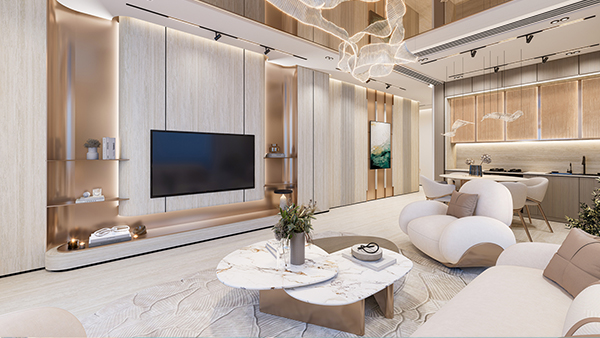
Furnishing and setup represent the largest one-time expense, usually ranging from AED 20,000 to AED 60,000, depending on whether the unit is a furnished villa, a 1- or 2-bedroom home in Dubai, or a studio.

Expected Returns and Yield Potential

Despite these costs, holiday homes continue to outperform traditional rentals.

Short-term rentals in Dubai deliver 7% to 11% annual returns, with upside during peak seasons. During major events, nightly rates increase by 30% or more.

For example, a 2-bedroom home in Dubai renting at AED 400 per night during regular periods can command AED 600 per night during events such as the Dubai Shopping Festival or large exhibitions.

On a setup investment of AED 60,000, this reflects strong first-year performance.

Choosing the Right Property Type

Holiday home performance varies by layout and location.

Studio homes in Dubai offer lower entry points and faster occupancy turnover, while beachfront homes and waterfront apartments attract premium nightly rates.

Properties offering strong amenities in Dubai, such as pools, gyms, concierge services, and proximity to attractions, consistently outperform average listings.

At Danube Properties, we have delivered homes that naturally align with holiday rental demand, offering functional layouts, strong amenities, and locations suited for both short-term guests and long-term owners.

Compliance and Risk Management

Dubai maintains strict compliance standards for holiday homes.

Unregistered listings can attract fines of AED 5,000 per property, while failure to submit guest passport details carries penalties of AED 1,000 per incident.

Late renewals may result in fines between AED 200 and AED 500, and repeated violations can lead to listing suspension.

To avoid disruptions, owners are advised to renew permits early, maintain digital guest records for at least 12 months, and ensure safety features such as smoke detectors and fire extinguishers are installed.

Long-Term Outlook for Holiday Homes in Dubai

Dubai’s holiday rental market continues to mature under structured regulations and rising global demand.

With high tourist footfall year-round, predictable licensing systems, and diverse housing options ranging from compact studios to luxurious houses for sale, holiday homes in Dubai remain a compelling investment category.

When paired with well-planned cost management, properties designed for modern living offer great short-term rentals, flexibility, income stability, and long-term value growth.

Developers like Danube Properties continue to support this ecosystem by delivering homes that blend affordability, design efficiency, and luxury living with over 40 world-class amenities.

Final Thoughts

Setting up a holiday home in Dubai requires understanding numbers, timing, and positioning.

From the one-time AED 1,520 registration costs to the whopping AED 147,000 in annual revenue, every figure and strategic move plays a role in shaping returns.

With structured oversight, rising tourist demand, and a wide range of houses with amenities in Dubai, the emirate remains one of the most attractive global destinations for holiday home investments.

When approached with clarity, planning, and the right developer, this segment of Dubai’s real estate market offers lifestyle flexibility and long-term financial reward.

Service Charges During Off-Plan Project Delays in Dubai
CategoriesBlogs

Understanding Service Charges During Off-Plan Project Delays in Dubai

Dubai’s real estate market has built its global reputation on ambition, structure, and investor confidence.

From master-planned communities to carefully regulated ownership frameworks, the city has made it easier than ever to buy property in Dubai with clarity and long-term assurance.

Among the many opportunities within the market, off-plan apartments in Dubai continue to attract buyers seeking flexible payment structures, modern designs, and future-focused communities.

However, as with any large-scale development, timelines can sometimes shift. When project delivery is delayed, one important topic comes into focus: service charges.

And understanding how service charges work during off-plan delays and knowing the legal rights available under Dubai’s real estate framework helps buyers approach such situations with clarity rather than uncertainty.

Off-Plan Projects and Service Charges: How They Intersect

Service charges are part of property ownership in Dubai.

They cover shared expenses, such as security, maintenance of common areas, landscaping, utilities for common spaces, and community facilities. For completed homes, these charges are straightforward.

They are calculated based on the approved budget for the building or community.

The Dubai Land Department (DLD) and the Real Estate Regulatory Agency (RERA) oversee these timelines to ensure fairness and transparency within Dubai real estate transactions.

For clarity, service charges are usually calculated by multiplying the unit’s size by the service charge rate per square foot.

However, for off-plan projects, they become applicable only after official handover and occupancy, not during construction or delayed phases.

Buyers are not expected to pay service charges for facilities they have not yet accessed.

This distinction is critical for those planning to buy an apartment in Dubai on installments, as financial commitments are spread over several years.

Common Reasons for Off-Plan Project Delays

Delays in off-plan developments may occur due to several factors, including:

  • Construction or supply chain challenges
  • Regulatory approvals
  • Changes in project scope
  • External circumstances classified as force majeure

While delays are not the norm, Dubai’s regulatory system ensures that buyers are protected through contractual obligations and legal remedies.

Legal Rights If an Off-Plan Project Is Delayed in Dubai

Dubai offers a structured legal framework to protect buyers when project timelines are extended beyond what was agreed upon.

1. Reviewing the Sale and Purchase Agreement (SPA)

The SPA is the foundation of the buyer-developer relationship. It outlines:

  • Expected completion timelines
  • Grace periods for delays
  • Developer obligations
  • Compensation or penalty clauses

SPAs include force majeure provisions, which allow timeline extensions in extraordinary situations.

However, such clauses must be clearly defined and reasonably applied.

2. Compensation for Delays

If a project is delayed beyond the agreed-upon timeframe, buyers may be entitled to compensation.

This comes in the form of liquidated damages, which are pre-agreed penalties stated in the SPA.

When compensation clauses are not clearly defined, buyers may pursue claims through legal channels, especially if delays result in additional expenses such as extended rent or financing costs.

3. Right to Terminate the Agreement

In cases of prolonged or unresolved delays, Dubai’s legal framework allows buyers to apply for contract termination.

Under the UAE Civil Transactions Law, buyers may seek:

  • Termination of the SPA
  • Refund of amounts paid
  • Court intervention if necessary

This option is considered when delays are substantial, and no realistic handover timeline is provided.

4. Requesting Official Communication from the Developer

Developers are required to keep buyers informed. During delays, buyers have the right to request:

  • Updated construction timelines
  • Written explanations for delays
  • Clarification on next steps

Transparent communication plays a significant role in maintaining trust within the off-plan market.

Developers with a strong reputation for buyer engagement navigate these situations more smoothly, reinforcing long-term confidence in their projects.

5. Filing a Complaint with RERA

If communication breaks down or contractual obligations are not met, buyers may escalate concerns to RERA.

RERA acts as a mediator and regulator, ensuring developers comply with approved timelines and contractual terms.

In serious cases, penalties may be imposed, or project sales may be restricted until issues are resolved.

Payment Flexibility During Uncertain Timelines

One reason off-plan investments remain popular is payment flexibility.

Structured installment plans allow buyers to manage finances even when timelines change.

Due to the escrow system, those planning to buy an apartment in Dubai on installments benefit from phased payments tied to construction milestones rather than fixed dates.

This approach secures investor finances during delays and requires the developer to be transparent in communication.

Why Off-Plan Still Holds Long-Term Value

Despite occasional delays, off-plan apartments in Dubai continue to represent a strong segment of the market due to:

  • Competitive entry prices
  • Modern layouts and amenities
  • Master-planned community designs
  • Long-term appreciation potential

Further, Dubai’s regulatory oversight ensures that delays are managed within a defined legal framework rather than leaving buyers unprotected.

The Role of Trust in Dubai’s Real Estate Ecosystem

Dubai’s success as a real estate destination is built on regulation.

The presence of clear legalities, escrow systems, and government oversight ensures that Dubai’s real estate transactions remain secure even during project challenges.

Buyers benefit most from experienced developers who prioritize transparency, realistic timelines, and buyer education from the start.

With a strong track record of timely delivery, Danube Properties continues to stand out as a trustworthy developer for thousands of homeowners across multiple communities.

In this trust-driven ecosystem, structured ownership models, clear documentation, and accessibility attract buyers and investors, and that’s exactly the ethos at Danube.

Final Thoughts: Navigating Delays with Confidence

Understanding service charges during off-plan delays is less about financial risk and more about informed ownership.

When buyers understand when charges apply, what legal rights exist, and how regulatory bodies operate, uncertainty gives way to clarity.

Dubai’s property framework ensures that off-plan delays are addressed through structure rather than ambiguity.

With informed planning, transparent developers, and regulatory support, buyers can continue to approach the market with confidence.

For those seeking to buy property in Dubai in the off-plan segment, awareness remains their strongest asset, even when timelines evolve.

Villa and apartment buildings in Dubai
CategoriesBlogs

Villa vs. Apartment: A Practical Comparison of Maintenance Costs in Dubai

Dubai’s residential landscape offers two aspirational choices that shape real estate decisions across the UAE: expansive villas and well-planned apartments.

While lifestyle preferences dominate this debate, long-term maintenance costs play a critical role in deciding which option aligns better with an individual’s finances and convenience.

This comparison looks beyond surface appeal to examine the real cost dynamics, responsibilities, and value each option brings.

Understanding Maintenance as a Long-Term Commitment

Maintenance is an ongoing financial and operational responsibility that influences comfort, resale value, and overall satisfaction.

In Dubai’s real estate, maintenance costs generally fall into three categories:

  • Structural upkeep
  • Common area and facility management
  • Utilities, repairs, and replacements

The way these costs are distributed differs significantly between luxury villas and apartments in Dubai.

Living in Apartments in Dubai: Predictability and Shared Responsibilities

For many residents choosing to buy an apartment in Dubai, one of the strongest advantages lies in structured and predictable maintenance systems.

The many types of maintenance charges include:

1. Centralized Service Charges

Apartments operate under annual service charges, which are managed by the owners’ associations. These charges cover:

  • Building maintenance
  • Elevators and lobbies
  • Security and concierge services
  • Shared utilities for common areas
  • Landscaping and lighting

While fees vary by location and building quality, they offer transparency and consistency, allowing homeowners to plan expenses with ease.

2. Access to Best Apartment Amenities

Modern residential towers, including Danube’s landmark developments across Dubai, offer the best apartment amenities in the city:

  • Swimming pools
  • Fully equipped gyms
  • Children’s play areas
  • Co-working lounges
  • Multipurpose halls

The cost of maintaining these amenities is shared among residents, making premium facilities accessible without individual upkeep responsibilities.

3. Lower Individual Repair Burden

Structural repairs, facade maintenance, and major system upgrades are handled collectively.

This reduces unexpected expenses and limits individual exposure to high repair costs.

Renowned developers such as Danube Properties design apartment communities with durability and efficiency in mind, ensuring long-term maintenance remains practical without compromising lifestyle quality.

Living in Luxury Villas: Space, Privacy, and Higher Personal Upkeep

Luxury Villas in Dubai represent a different ownership experience, rooted in space, privacy, and glamour.

However, this independence comes with greater maintenance responsibility.

1. Individual Maintenance Costs

Villa owners bear the full cost of:

  • Exterior and roof repairs
  • Garden landscaping
  • Swimming pool cleaning
  • Boundary walls and driveways
  • HVAC system upkeep

Unlike apartments, these expenses are not distributed, making budgeting complex and high over time.

2. Landscaping and Outdoor Areas

A defining feature of luxury villas is outdoor space.

While aesthetically rewarding, gardens and pools require regular professional care, irrigation, maintenance, and seasonal upgrades, adding recurring costs.

3. Community Fees Still Apply

Even within gated communities, villa owners pay community service fees for security, road maintenance, and shared landscaping.

These are in addition to private upkeep expenses.

The Comparison: Apartments vs. Villas in Dubai

1. Cost and Stability

One of the most practical differences lies in cost predictability.

  • Apartments offer stable, annual service charges with limited fluctuations.
  • Villas face variable costs depending on wear, age, and personal upgrades.

For families and investors prioritizing financial clarity, apartments present a more controlled expense model.

3. Maintenance and Property Age

Maintenance costs rise as properties age, regardless of type. However, the impact differs:

  • Older apartment buildings distribute renovation costs across many owners.
  • Older villas require full-scale individual upgrades, which can be capital-intensive.

This makes newer apartment developments attractive, especially when built with long-term efficiency standards and durable materials.

4. Time, Investment, and Convenience

Maintenance involves not only money but time and coordination.

Apartment owners deal with a single management entity, while villa owners must independently coordinate multiple service providers for landscaping, repairs, and inspections.

For professionals and families balancing busy schedules, apartments in Dubai offer a cost- and convenience-driven ownership model that aligns with urban living.

Lifestyle vs. Maintenance: The Reality

While luxury villas in Dubai deliver privacy and space ideal for large households, apartments provide a lifestyle where comfort is maintained collectively.

High-rise communities offer:

  • On-site management
  • 24/7 security
  • Quick response to maintenance issues

This integrated approach reduces the mental and financial load associated with property care.

Investment Perspective on Maintenance Costs

From an investment standpoint, maintenance expenses directly impact net returns.

  • Apartments tend to retain stronger rental demand due to managed upkeep and amenities.
  • Villas attract niche tenants but require higher maintenance budgets, which can affect yield margins.

Across the city, apartment service charges fall between AED 10 and AED 30 per square foot per year, depending on the location, building quality, and range of amenities offered.

In districts such as Dubai Marina, average service charges hover around AED 18.25 per square foot, while in Business Bay, they can rise to approximately AED 21.25 per square foot, reflecting the amenities and positioning of the communities.

In contrast, villas have lower service charges per square foot with fewer common areas to maintain.

On average, villa service charges range between AED 2 and AED 8 per square foot per year.

In communities like Al Furjan, charges are around AED 5.60 per square foot, while Dubai Silicon Oasis sees averages closer to AED 6.75 per square foot, making villas a more cost-efficient option from a maintenance perspective.

How Developers Influence Maintenance Efficiency

The quality of construction and planning plays a major role in long-term maintenance costs.

Well-established developers focus on:

  • Efficient layouts
  • Durable materials
  • Smart facility management systems

Danube Properties, as a prominent real estate company in Dubai, integrates lifestyle amenities with operational efficiency, ensuring cost-effectiveness without compromising quality.

This approach benefits both end-users and investors by preserving value and minimizing long-term ownership stress.

Calculating and Choosing What Fits Financial Comfort

To estimate the yearly maintenance cost of an apartment, the calculation is straightforward. The total built-up area is multiplied by the applicable service charge rate.

For instance, a 2,000 square foot apartment with a service charge of AED 15 per square foot would result in an annual service cost of AED 30,000.

This predictable structure allows homeowners to plan maintenance expenses with greater financial clarity.

However, there is no universal answer to whether apartments or villas are better.

The decision depends on:

  • Household size
  • Lifestyle expectations
  • Willingness to manage upkeep
  • Long-term financial planning

Apartments suit those seeking convenience, shared costs, and access to premium amenities, while villas suit those prioritizing space and independence, with higher maintenance involvement.

Final Thoughts: Maintenance as a Deciding Factor

In Dubai’s evolving residential market, maintenance costs are central to smart ownership.

Apartments offer structured expenses, shared responsibility, and access to the best apartment amenities, making them appealing for modern urban living.

On the other hand, luxury villas deliver unmatched space and privacy but require greater financial and time commitments.

As Dubai and the UAE continue to attract global residents, thoughtfully designed apartment communities by Danube Properties demonstrate how balanced maintenance, lifestyle, and value can coexist.

Ultimately, the right choice is the one that supports your long-term comfort, financial stability, and peace of mind, living in one of the world’s most dynamic real estate destinations.

property investment in Dubai
CategoriesBlogs

How to Transfer Ownership of a Mortgaged Property to Family: Navigating Real Estate in Dubai

Dubai’s real estate market is known not just for iconic skylines and lifestyle-driven communities, but also for its structured and transparent ownership systems.

And as families in the UAE grow, evolve, and plan for the future, property ownership becomes part of a larger legacy conversation.

One question that arises in these conversations is how a mortgaged property can be transferred to a family member while complying with local regulations.

Transferring ownership of a mortgaged home is entirely possible in Dubai, provided the process is handled carefully and within the framework set by the Dubai Land Department (DLD) and lending institutions.

This guide explains how the process works, what conditions apply, and how families can approach such transitions smoothly within Dubai’s real estate market.

Why Dubai Remains Family-Friendly for Property Ownership

As Dubai continues to strengthen its position as a global residential hub, several key factors drive this sustained appeal:

  • Clear inheritance and ownership regulations
  • Digitized land department processes
  • Strong banking oversight
  • High safety and long-term market stability

With the above advantages and the UAE’s focus on structured growth, property in Dubai is a transferable asset aligned with generational planning.

Understanding Property Ownership and Mortgages in Dubai

In Dubai, a mortgage creates a legal charge on the property in favor of the bank.

While the title deed remains in the owner’s name, the lender holds rights until the outstanding loan is settled or officially transferred.

This means ownership transfers involving mortgaged properties require approval from multiple stakeholders.

Mortgage-free properties up for sale in Dubai also follow a simpler transfer process.

However, when financing is involved, additional steps ensure the lender’s interests remain protected. These safeguards maintain stability and trust within the UAE’s property market.

Ownership transfers within families commonly include:

  • Transferring assets to children as part of succession planning
  • Adding or removing a spouse’s name following family restructuring
  • Gifting property to immediate family members
  • Consolidating ownership under one family entity

Dubai’s real estate regulations allow such transfers, provided financial obligations tied to the mortgage are addressed clearly.

Conditions for Transferring a Mortgaged Property in Dubai

Before initiating the transfer, these foundational conditions must be met:

1. Government IDs and Passports

Valid Emirates IDs and passports of both the transferor and the transferee.

2. Bank Approval is Mandatory

The mortgage lender must approve the transfer. This is because the bank evaluates the financial capability of the new owner to continue servicing the loan.

3. Outstanding Mortgage Assessment

The remaining loan amount plays a crucial role. Depending on the arrangement, the mortgage may be fully settled, partially settled, or reassigned to a family member.

4. Relationship Verification

Transfers to immediate family members require official documentation such as marriage certificates or birth certificates, attested as per UAE requirements.

Methods to Transfer Ownership of a Mortgaged Property

There are multiple structured ways to approach the transfer, depending on financial readiness and family preferences.

1. Mortgage Settlement Before Transfer

In this method, the existing owner clears the outstanding loan in full.

Once the bank issues a clearance letter, the property becomes mortgage-free and can be transferred normally through DLD.

This approach offers simplicity but requires significant liquidity upfront.

2. Mortgage Transfer to Family Member

Here, the bank agrees to transfer the mortgage to the incoming family member.

The new owner undergoes eligibility checks, income verification, and credit assessments similar to a fresh mortgage application.

Once approved, ownership and loan responsibility shift together.

3. Partial Settlement and Restructuring

In some cases, families choose to reduce the loan balance before transferring.

The bank may restructure the remaining amount under new terms, ensuring affordability for the incoming owner.

Step-by-Step Property Transfer Process in Dubai

Transferring ownership of a property in Dubai follows a clear, well-regulated process designed to protect all parties and ensure legal transparency under the Dubai Land Department (DLD).

Here is a simplified, step-by-step overview:

Step 1: Finalise the Agreement

Both parties agree on key terms such as price, deposit, and payment conditions.


These details are documented in a Sale & Purchase Agreement (SPA) or Memorandum of Understanding (MOU), depending on the property type.

Step 2: Apply for a Bank and Developer No Objection Certificate (NOC)

The developer and the bank issue an NOC confirming that there are no outstanding dues on the property and approving the ownership transfer.

Step 3: Arrange Property Valuation (if required)

If the property is mortgaged or falls under specific categories, a valuation from a DLD-approved appraiser may be requested to confirm market value.

Step 4: Visit a DLD-Approved Trustee Office

Both parties, or their authorised representatives, visit an approved trustee office or DLD Customer Happiness Centre to proceed with the transfer.

Step 5: Submit Required Documents

Documents such as identification papers, title deed, or Oqood, NOC, signed agreement, and payment proofs are submitted for verification.

Step 6: Pay Applicable Fees

Transfer-related charges, including DLD fees, trustee service fees, and any mortgage-related charges, are paid at this stage.

Step 7: Review and Approval

DLD officials review your documents and confirm that all requirements are met before approving the transfer.

Step 8: Receive the New Title Deed

Once approved, the new title deed is issued in the buyer’s name, officially completing the transfer of ownership.

Step 9: Complete Post-Transfer Formalities

Utility accounts are updated, developer permissions are obtained if required, and property management entities are notified of the ownership change.

This structured transfer process ensures that owning a property in Dubai remains secure, efficient, and legally recognized.

Costs and Fees to Account For

While transferring apartments in Dubai within families can be strategic, associated costs should be planned for:

  • Dubai Land Department transfer fee of 4% of the property value + AED 580 admin fee
  • Bank processing and mortgage transfer charges
  • Trustee office service fees (between AED 2,000 and AED 4,000, plus VAT)

Understanding these costs early prevents delays, unexpected financial surprises, and ensures smoother execution.

Legal and Advisory Support Matters

Although the system is well-defined, professional guidance simplifies compliance.

Real estate consultants, trustees, and legal advisors help with documentation, timelines, and understanding regulations.

Additionally, developers and established real estate companies in Dubai guide homeowners through ownership structures from the early stages of purchase, providing notification. This makes future transitions more manageable.

How Developers Influence Long-Term Ownership Flexibility

Modern residential developments in Dubai increasingly cater to long-term family planning.

Thoughtful unit layouts, clear documentation, and buyer education during handover play an indirect yet vital role in easing future ownership changes.

Developers like Danube Properties have focused on transparency and buyer-friendly processes from the outset.

With thousands of families owning apartments in Dubai across various communities, clear title structures and our accessible payment models contribute to seamless property ownership and future transfers when needed.

Our developments are preferred by families for our lifestyle amenities. Paired with the clarity in ownership and documentation, Dubai’s real estate is more cherished during inter-family transfers.

Final Thoughts: Transferring Mortgage Property in Dubai

The ability to transfer ownership of a mortgaged home or apartments in Dubai reflects the maturity and transparency of the city’s property ecosystem.

With proper approvals and structured steps, families can confidently navigate such transitions.

Pairing with renowned developers, families across the UAE continue to find confidence in building, growing, and transferring their real estate legacies. And trusted developers like Danube Properties contribute to well-documented residential projects.

Dubai’s Residential Real Estate
CategoriesBlogs

Tax Edge for HNIs: Why Dubai’s Residential Real Estate Continues to Lead

Dubai has steadily built a reputation as one of the world’s most attractive destinations for high-net-worth individuals (HNIs).

And beyond its skyline and lifestyle appeal, the emirate offers something far more compelling: clarity, efficiency, and long-term financial advantage.

At the heart of this appeal lies residential real estate.

In a global climate where property ownership is tied to layered taxation and regulatory complexity, Dubai offers a rare alternative: a market structured around growth, stability, and tax-free rental income.

Supported by investor-friendly regulations in the UAE, Dubai’s residential real estate market stands out as a strategic asset class for preserving and growing wealth.

A Tax Environment Designed for Capital Protection

One of the strongest advantages driving international capital toward Dubai is its tax structure.

Residential property ownership in Dubai offers tax-free returns via rental income, allowing investors to retain the full value of lease earnings without deductions.

Unlike many mature global markets where annual taxes erode property income, Dubai’s framework enables clean and predictable cash flow.

The emirate offers a rare environment where there is no personal income tax on rental earnings, no capital gains tax on property sales, and no inheritance tax on real estate assets.

When compared globally, the distinction becomes even clearer.

Cities like London and New York impose personal income tax rates that can reach up to 45%, while Singapore applies rates of up to 24%.

Dubai’s 0% personal income tax framework gives residential property investors a measurable advantage in net yield and compounding accumulation.

The result? Residential assets in Dubai benefit from both tax-free rental income and zero capital gains tax on property appreciation.

The tax-free property investment in Dubai offers double the benefits, making it a sweet deal for HNIs.

Why Residential Real Estate Appeals to HNIs in the UAE

HNIs approach real estate with a dual focus: lifestyle value and financial logic. Dubai satisfies both with precision.

From waterfront districts like the Marina to emerging master-planned communities like the Creek Harbour, residential developments in Dubai are designed to support modern living while delivering strong fundamentals.

These include high rental demand, limited supply in prime zones, and consistent population growth driven by professionals, entrepreneurs, and global families relocating to the UAE.

For investors, this creates an environment where property ownership is not speculative but structured.

Assets generate income, appreciate steadily, and operate within a clear regulatory system supported by the Dubai Land Department.

In short, money makes more money. And it’s also secure in Dubai.

Payment Flexibility as a Strategic Advantage

While zero taxation plays a central role, payment structure has become an equally powerful factor shaping investment decisions.

Dubai’s residential market has evolved beyond traditional upfront-heavy purchases.

Flexible installment models have opened new entry points, even in premium segments.

This has led to growing interest in the best payment plans for Studios to luxury homes in Dubai, particularly among HNIs seeking diversification without heavy upfront investments.

Installment-based ownership allows capital to remain liquid while assets are secured early. It also supports portfolio scaling, where multiple units can be acquired over time rather than locked into a single transaction.

Offering extended payment schedules, low initial commitments, and post-handover options, developers like Danube Properties have redefined real estate accessibility in Dubai.

Rental Strength and End-User Demand

Dubai’s rental market remains one of the most active globally.

Professionals relocating for long-term employment, entrepreneurs establishing regional operations, and families seeking stability all contribute to sustained demand.

Studios and one-bedroom residences perform consistently well in well-connected districts.

This demand translates into high occupancy rates and stable returns, reinforcing the advantage of tax-free rental income.

Now, this combination of strong leasing activity and tax efficiency enhances net yield, a critical metric for HNIs evaluating performance, where Dubai has been delivering exceptionally.

Studios as Strategic Assets

While luxury residences dominate headlines, studios play a critical role in residential investment strategies.

In Dubai, studios offer high rental demand, faster leasing cycles, and efficient price points.

When paired with structured installment plans, studios become ideal entry assets or portfolio anchors.

The rising interest in our 1% payment plan, namely the best payment plan for studio apartments in Dubai, reflects this shift toward smarter, more agile investment choices.

Studios in well-planned communities attract professionals, short-term executives, and long-term tenants alike. They’re quite affordable, offer higher rental yield, and are easy to flip as well.

Market Stability and Long-Term Confidence

The Dubai 2040 Urban Master Plan outlines clear expansion goals, infrastructure development, and residential zoning, creating deep trust in investors.

Residential communities in Dubai are often developed in close proximity to transport, retail, healthcare, and educational sectors.

For HNIs, the planned communities and stability reduce volatility risk.

The Role of Danube Properties

In any high-value market, developer credibility plays a decisive role.

Timely delivery, consistent quality, and transparent processes define both asset performance and investor experience.

A leading real estate company in Dubai brings more than construction expertise.

It delivers predictability. This is where Danube Properties has built a reputation by offering quality and innovative developments at affordable prices.

With our innovative pricing models and lifestyle-driven designs, we have made owning a home in Dubai much more accessible.

Prioritizing homeowners, from HNIs to working professionals buying their first home, we understand that a balance of payment flexibility, efficient layouts, and amenity-rich communities is a deciding factor for investment.

And that’s exactly what we deliver.

Final Perspective

In a world where capital seeks both protection and purpose, Dubai’s residential real estate offers a refined investment environment, shaped by regulatory frameworks, foresight, and market maturity.

For HNIs, the advantages are clear: tax-free property investment in Dubai, predictable returns, scalable ownership models, and long-term confidence.

Having said that, Dubai’s market continues to grow rapidly, and investment opportunities remain strongest with renowned real estate companies like Danube, where value, flexibility, and trust intersect.

Redefining ROI in Dubais Real Estate
CategoriesBlogs

Flexible Payment Plans: Redefining ROI in Dubai’s Real Estate

Beyond iconic skylines and premium communities, Dubai’s residential market has evolved into one of the most consistent real estate ecosystems globally.

With architectural ambition, global investor confidence, and market evolution, one factor has played a particularly transformative role in reshaping Dubai’s real estate market: flexible payment plans.

Installment structures, phased payments, and low initial commitments have significantly lowered entry barriers while strengthening the ROI.

For investors seeking to buy property in Dubai with a balance of financial comfort and growth potential, payment flexibility has become as important as location or design.

And this shift has positioned off-plan apartments for sale in Dubai as a strategic tool for both portfolio growth and lifestyle-driven ownership.

Why Payment Flexibility Matters in Modern Real Estate Investment

Traditional property markets demand high upfront capital, limiting access to a small segment of buyers. Dubai chose a different path.

The UAE offers affordability rather than capital pressure.

Flexible payment plans allow investors to align real estate commitments with income cycles, investment strategies, and evolving financial goals.

This approach creates three clear advantages:

  • Lower financial strain at entry
  • Improved cash-flow management
  • Higher ability to diversify across multiple assets

As a result, Dubai’s real estate continues to outperform many mature global property markets in investor satisfaction.

To support the traction, developers and financial institutions have introduced structured payment models that reduce upfront pressure while improving potential returns.

1. Construction-Linked Payment Plans

Construction-linked plans remain one of the most common structures in Dubai’s real estate market.

Payments are tied to verified construction milestones such as foundation completion, superstructure, finishing, and handover.

This model offers transparency and risk mitigation as buyers release funds upon progress achieved.

For off-plan apartments for sale in Dubai, this structure supports financial planning while preserving capital during the early stages of the development.

2. Calendar Installments

Time-based instalment plans follow a fixed schedule rather than construction progress.

Payments are spread across months or quarters, regardless of development milestones.

This structure simplifies budgeting and allows steady financial planning, especially for salaried investors or families building assets in the UAE real estate market.

3. Ratio-Based Splits (80/20, 70/30, 50/50, 10/90)

Ratio-based payment plans split the property value between construction and handover. Common formats include:

  • 80/20 (80% during construction, 20% on handover)
  • 70/30 or 50/50 for more balanced commitments
  • 10/90 for ultra-low upfront entry

These payment structures are quite attractive when buying an apartment in Dubai on installments with minimal early exposure.

Developers offering lower handover payments also allow buyers time to prepare for financing, leasing, or resale strategies.

4. Post-Handover Payment Plans (PHPP)

Post-handover plans extend payments beyond project completion, a couple of years after keys are handed over.

Danube Properties has strengthened this model further by offering 50 and 52-month post-handover payment plans, providing longer financial breathing room without delaying ownership benefits.

Buyers can generate rental returns while continuing to pay instalments, improving cash flow efficiency.

In established rental markets, PHPP structures significantly enhance ROI by reducing idle capital periods.

5. Extended Long-Term Payment Plans

Long-term payment plans stretch commitments across extended timelines, sometimes up to seven or ten years.

These structures cater to buyers seeking stability and gradual ownership without aggressive financial pressure.

In a city like Dubai, where long-term residency options, including the Golden Visa, support asset-based planning, extended payment plans align well with long-horizon investors and families building roots in the UAE.

6. 1% Monthly Payment Plan

One of the most transformative innovations in Dubai’s real estate market is the 1% monthly payment plan, pioneered in the UAE by Danube Properties.

This structure replaces large instalments with manageable monthly contributions, making ownership feel closer to rent than traditional investment.

It has opened the market to a wider demographic, making property ownership in a global market accessible to all, while maintaining disciplined payment schedules.

For buyers exploring off-plan apartments for sale in Dubai, the 1% plan offers:

  • Minimal upfront capital
  • Consistent monthly planning
  • Easier portfolio expansion

Over time, this model has become a benchmark for accessibility across the market.

7. Hybrid Developer and Bank Mortgage Plans

Hybrid plans combine developer instalments during construction with bank mortgage financing at handover.

Buyers benefit from lower early commitments while securing long-term financing once the property is complete.

This structure suits buyers who expect future income growth or asset liquidity. It also allows time to strengthen credit profiles before transitioning into traditional lending.

8. Rent-to-Own Schemes

Rent-to-own models blur the line between leasing and ownership.

A portion of rental payments contributes toward the property’s purchase value over time.

While less common, these schemes support residents seeking flexibility and gradual equity building.

In select developments, they offer an alternative pathway to ownership without immediate commitment.

How Flexible Payment Plans Improve ROI

Flexible plans do more than ease affordability. They directly impact returns:

  • Lower upfront capital improves yield ratios
  • Phased payments reduce opportunity cost
  • Early entry pricing enhances appreciation potential
  • Rental income eventually overlaps with payment timelines

In Dubai, where rental demand remains strong and supply is carefully regulated, these factors combine to strengthen both short-term income and long-term capital appreciation.

Choosing the Right Payment Plan

The ideal payment structure depends on intent.

End users often prioritize financial predictability and low entry points, while investors focus on the overlap between rental income and property payments. On the other hand, residents planning a long-term stay in the Emirates seek extended horizons and capital preservation.

And Dubai’s regulated environment ensures that all structures operate under clear guidelines, reinforcing buyer confidence regardless of the chosen path.

Danube Properties and Payment Plan Innovation

Within this evolving landscape, Danube Properties has consistently focused on aligning payment structures with real-life financial patterns.

Known as a forward-thinking real estate developer in Dubai, Danube has played a key role in introducing structured instalments, low down payments, and lifestyle-focused communities in the Middle East.

We have made buying property in Dubai easier, without the pressure associated with premium markets.

Final Thoughts: Flexibility as a Strategic Advantage

Flexible payment plans have become one of the strongest pillars of Dubai’s real estate success story.

They transform property ownership from a capital-heavy commitment into a strategic, phased investment.

As Dubai continues to mature as a global real estate hub, payment innovation remains central to sustaining growth, accessibility, and ROI.

With structured plans, transparent regulations, and developers committed to long-term value, the UAE continues to offer one of the most investor-friendly property markets in the world.

And within this ecosystem, Danube Properties stands as a name closely associated with payment flexibility, disciplined delivery, and the belief that smart ownership begins with smart planning.

Ready vs Off-Plan Apartments in Dubai
CategoriesBlogs

Ready vs Off-Plan Apartments in Dubai: A Family-focused Guide to Choosing the Best One

More than ever, Dubai continues to reshape global urban living with its forward-thinking communities, family-centric spaces, and world-class developer ecosystem.

As more families consider long-term roots in the emirate, one question continues to guide property decisions: Is a ready home the right choice, or do off-plan apartments offer a better future?

Both routes carry unique strengths, shaped by lifestyle goals, financial priorities, and the kind of environment a family wants to grow into.

With the city expanding as per the Dubai 2040 Master Plan and the UAE’s property market evolving rapidly, the choice between ready and off-plan homes holds more significance than ever.

This guide breaks down both options in a natural, practical way, focusing on how families live, grow, and plan ahead, and how Danube Properties develops communities that align with the evolving family needs.

Ready Homes: Stability, Comfort, and Instant Belonging

For families prioritising immediacy and certainty, ready-to-move-in apartments in Dubai deliver a sense of stability the moment the keys are handed over.

The benefits unfold from the very first step inside.

1. Immediate Residency and Familiarity

A ready home offers the comfort of stepping into a finished space, one where surroundings are already shaped, neighbours are settled, and community rhythms are established.

It allows families to adapt quickly to daily routines, commutes, and nearby amenities.

2. Transparent Decision-Making

Families seeking clarity value experiencing the place physically before committing.

From layout to lighting and building maintenance to community culture, everything is taken care of in most of Dubai’s ready-to-move-in apartments.

3. Established Infrastructure and Facilities

Schools, clinics, parks, retail, and transport options are usually operational in ready-home districts.

This transforms day-to-day convenience into a lived reality rather than a future promise.

4. A Predictable Financial Structure

Upfront costs and mortgages are straightforward for ready properties.

The absence of construction timelines or phased payments appeals to families wanting structured financial planning.

Modern communities with ready-to-move-in apartments, such as those in Dubai Marina, Business Bay, JLT, and Arjan, offer family-friendly layouts, retail access, and a deeply connected lifestyle.

And developers like Danube Properties, known for vibrant amenities and functional design, contribute to the growing reliability of ready-home options in established zones.

Off-Plan Apartments: Growth Potential, Flexibility, and the Future-Ready Lifestyle

Dubai’s skyline is shaped not only by what exists today but by what is actively being built for tomorrow.

This is why demand for off-plan apartments for sale in Dubai continues to increase among families and investors alike.

1. Strong Appreciation Potential

As communities evolve, infrastructure grows, and demand rises, early investors can benefit from appreciation by the time of handover.

Families with long-term goals see this as a strategic investment advantage.

2. Flexible Payment Plans

Off-plan developments are known for structured installments, low down payments, and extended schedules.

Managing finances is easier, and acquiring a property in Dubai becomes more accessible.

Having pioneered several flexible models, like our flagship 1% payment plan and low initial commitments, Danube Properties has made early investment in family-friendly communities far more accessible.

3. Opportunity to Personalise and Choose

Buying off-plan apartments in Dubai gives early access to preferred floors, layouts, and views.

For families wanting specific home configurations or simply designing it according to their needs and aesthetics, this flexibility becomes an important factor.

4. Modern Designs Tailored for Family Living

Off-plan properties reflect the evolving lifestyle needs of UAE residents:

  • Larger balconies
  • Study rooms and multipurpose spaces
  • Resort-style amenities
  • Community-focused layouts with parks, play zones, and wellness spaces

These modern, spacious concepts appeal strongly to families planning ahead.

And Dubai’s future developments across Jumeriah Village Circle, Dubai Creek Harbour, Maritime City, and Al Furjan highlight how off-plan living continues to align with long-term family aspirations for growth, community, and comfort.

Choosing Between Ready and Off-Plan: What Matters Most

The Stage of Life Matters

Growing families seek immediate space, stability, and defined school access, placing ready properties higher on the list.

On the other hand, families planning early, perhaps expecting a change in size or lifestyle, gravitate toward off-plan projects that align with future goals.

Daily Routine and Connectivity

Communities with completed transport links, supermarkets, nurseries, and medical services may better suit families needing instant convenience.

For families expecting to move in after a few years, upcoming districts offer future connectivity backed by Dubai’s expanding infrastructure.

Budget Planning and Long-Term Financial Comfort

Ready homes provide upfront clarity while off-plan homes provide phased flexibility.

Families assessing long-term budgets benefit from instalment-driven plans, while those financially ready for immediate ownership lean toward ready properties.

The ROI Breakdown

Off-plan apartments in Dubai show 20-30% value appreciation during construction, led by emerging zones like Creek Harbour, JVC, and Arjan.

Their counterpart, the ready-to-move-in apartments, deliver 4-9% yearly rental yields in strong demand areas, including Dubai Marina, Downtown, and Business Bay.

However, the maximum returns in 2025 come from a dual investment strategy: appreciation of off-plan assets and income through ready properties.

Lifestyle Vision

Some families imagine vibrant water views, community pools, and architectural innovation. Others prefer the calm and stability of mature neighbourhoods.

With a diverse range of ready-to-move-in and off-plan apartments, Dubai offers both environments, making it easier for families to pick environments aligned with their values.

Advantages Developers Bring to Family Decisions

Choosing the right property in Dubai becomes easier when the developer has a strong track record of timely delivery, thoughtful communities, and modern amenities.

In this regard, Danube Properties has shaped a reputation for combining family-first design with accessible payment structures.

With more than 15,000 Danube homeowners across the UAE, we appeal to buyers seeking comfort, affordability, and premium living without the high financial burden associated with luxury communities in Dubai.

Our mix of ready and off-plan apartments for sale in Dubai, across Dubai Marina, Business Bay, JLT, Dubai Creek Harbour, and emerging districts, gives families a spectrum of choices, each designed around convenience, community, and lifestyle.

The Right Home Depends on the Family’s Vision

From waterfront high-rises and modern suburban townships to future-ready master developments, Dubai offers families one of the most diverse ranges of residential experiences in the world.

And the choice between ready and off-plan is about alignment. Alignment with lifestyle, growth, financial comfort, and the future a family is building in one of the world’s fastest-growing, most vibrant cities.

Whether the path leads to a ready-to-move-in or off-plan apartment, Dubai remains a place where every family can find a home that reflects its hopes, habits, and horizon.


Affordable Waterfront Property in Dubai
CategoriesBlogs

Affordable Waterfront Property in Dubai: Expert’s Guide

Dubai’s skyline has long been the symbol of global luxury, modern living, and visionary urban planning. And so has been its elegant waterfront lifestyle.

Today, the dream of owning a home by the Arabian waters is no longer reserved for ultra‐luxury buyers.

With new master-planned communities, flexible developer plans, and a growing emphasis on liveability, securing an affordable waterfront property in Dubai has become more achievable than ever.

This guide explores why the emirate’s coastal districts are in such high demand, what makes waterfront living so desirable, the price advantages, and how the right developer can help streamline the journey of finding the perfect waterfront home.

How Waterfront Living Defines Dubai’s Real Estate

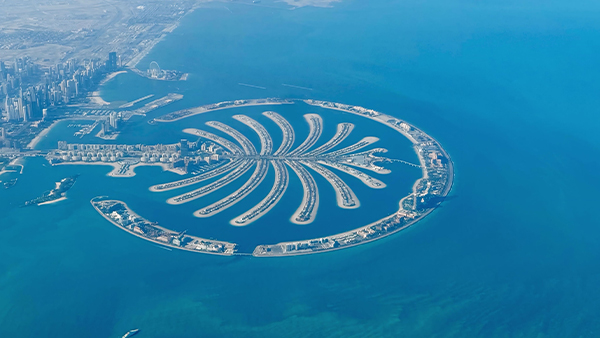
From the iconic Palm Jumeirah to the serene lagoons of Dubai Creek Harbour, Waterfront districts have always shaped the city’s architectural identity.

As demand for premium living grows, developers are increasingly focused on designing communities that blend water views, urban convenience, and world-class amenities.

Several factors explain the persistent demand for Dubai’s real estate along the coast and canals:

1. A Lifestyle Built Around Scenic Living

Residents are drawn to the calming aesthetic of open water, landscaped promenades, and unobstructed horizons.

Whether it’s morning runs along the marina, waterfront cafés, or sunset views from the balcony, these elements elevate daily life and become an integral part of your routine.

2. High Appreciation Across Waterfront Zones

Historically, homes near the water experience higher capital appreciation due to limited supply and international appeal.

Whether it’s canal-facing apartments or beachfront luxury towers, these communities tend to outperform average property growth trends.

3. Strong End-User and Rental Demand

Whether for personal living or rental income, waterfront districts are among Dubai’s most searched categories for tenants.

Vacation rentals, corporate professionals, HNIs, and families consistently prefer waterfront apartments in Dubai due to their ambience and access to lifestyle essentials.

4. Architectural Prestige

Waterfront towers are built with premium finishes, resort-inspired facilities, and panoramic layouts. As a result, they become desirable long-term assets in any investment portfolio.

What Truly Defines an “Affordable” Waterfront Home in Dubai?

Affordability in Dubai’s coastal and canal-facing districts has evolved significantly.

While ultra-premium areas like Palm Jumeirah and Jumeirah Bay remain high-ticket, newer communities have redefined what it means to invest smartly in waterfront living.

Buyers now look at:

1. Price per square foot in evolving districts

Communities like Dubai Creek Harbour, Business Bay, Dubai Marina, and Maritime City offer waterfront homes at competitive prices compared to older luxury zones.

2. Developer payment plans

Staggered installments, flexible milestones, and minimal initial outlay make waterfront property for sale more accessible, even for first-time investors.

3. Rising value of off-plan purchases

Buying early in a master development benefits investors with lower costs and significant appreciation upon handover or completion.

4. Long-term rental potential

Even mid-priced waterfront apartments deliver strong yields due to constant tenant demand.

These elements combine to create affordable opportunities without compromising the premium experience associated with waterfront living.

Top Advantages of Investing in Waterfront Property in Dubai

Waterfront living in Dubai comes with benefits that extend far beyond the views, influencing lifestyle, demand, and long-term value:

1. Premium Lifestyle at a Manageable Cost

With resort-style pools, private beaches, lagoons, gyms, retail promenades, and nature-integrated infrastructure, newer communities offer a mix of affordability and luxury.

2. Strong Rental Yields and Occupancy Rates

Water-facing homes command higher occupancy and rental premiums due to their scenic appeal, especially for professionals, young families, and tourists.

3. Long-Term Capital Appreciation

Dubai’s ongoing investments in marine tourism, coastal developments, and waterfront connectivity continue to uplift property values.

Dubai Marina offers an average price of AED 3.4 million with a solid 4.85% ROI, making it one of the city’s more accessible yet high-performing waterfront zones.

The Dubai Creek Harbour sits at a higher entry point with AED 7.2 million, and averages a 4.1% ROI, appealing to buyers seeking ultra-premium coastal living with secure, growing returns.

4. Global Demand and Investor Confidence

Waterfront communities attract a mix of UAE residents and international investors, ensuring stable demand throughout different market cycles.

How to Choose the Right Waterfront Home

With multiple communities and property types available, selecting the right home involves evaluating a few key factors:

1. Developer Track Record

Reliability, timely delivery, and consistent quality are essential when investing in Dubai’s real estate, especially in waterfront locations where infrastructure plays a major role.

2. View Orientation and Position

Not all waterfront homes offer the same views. Premium units facing open water, marinas, or lagoons tend to appreciate faster.

3. Amenities and Lifestyle Fit

Premium waterfront living comes with recreational gym decks, infinity pools, boardwalks, themed parks, and private beaches.

Choosing a property that aligns with lifestyle goals ensures long-term satisfaction.

4. Payment Flexibility and Upfront Costs

Developer-led payment plans with reduced down payments (like our 1% Payment Plan) and installment programs make property investment significantly easier.

Once these core factors are clear, it becomes easier to explore the communities that offer strong value, reliable growth, and accessible waterfront living.

Among Dubai’s many shoreline districts, a few stand out for their growing demand and accessible entry points.

Most Popular Zones for Affordable Waterfront Property in Dubai

While the city has several iconic waterfront districts, a few master developments stand out for blending affordability, accessibility, and premium living.

These communities consistently attract buyers searching for property in Dubai with strong long-term potential.

1. Dubai Creek Harbour

One of Dubai’s fastest-growing waterfront districts, Dubai Creek Harbour features modern high-rises, nature boardwalks, and expansive water views.

Its futuristic skyline and family-friendly planning make it a long-term growth corridor with strong lifestyle appeal.

2. Dubai Maritime City

Dubai Maritime City is steadily emerging as a key coastal destination, combining panoramic sea views with easy access to the historic creekside neighborhoods.

As new residential clusters take shape, well-designed communities such as Breez and Oceanz contribute to the district’s rising appeal and long-term value.

3. Dubai Marina

Recognized globally for its iconic waterfront skyline, Dubai Marina offers a vibrant urban–coastal lifestyle, marina promenades, and strong rental activity.

Developments like Diamondz and Viewz sit within this high-demand zone, adding to the mix of modern towers and lifestyle-focused residences that make the Marina a sought-after address.

4. Business Bay

With direct views of the Dubai Canal, Business Bay delivers waterfront living in the heart of the city.

Its central location and active residential market continue to draw professionals and long-term tenants.

Contemporary residences like Danube’s Bayz, Bayz101, and Bayz102 form part of the evolving skyline that supports the district’s steady demand.

As these areas evolve into some of Dubai’s most desirable waterfront addresses, demand has grown for residential options that offer both premium locations and attainable ownership pathways.

This is where developers who prioritize flexibility, design, and long-term value play an important role in expanding access to waterfront living.

Danube Properties: Making Waterfront Living More Accessible

With flexible installment plans, low down payments, and well-designed coastal and canal-facing communities, Danube Properties has helped make premium waterfront areas more affordable.

Our smart designs, 40+ high-end amenities, and investor-friendly purchase models allow us to expand our footprint across Dubai’s waterfront landscape.

By bridging affordability with luxury, Danube helps more residents and investors experience the joy of owning a home where the city meets the water, without the financial burden of coastal real estate.

Final Thoughts: A Smart Time to Secure Waterfront Living

As Dubai continues to expand its coastline, build new lagoon communities, and upgrade its marine destinations, affordable waterfront property in Dubai has become easier to attain.

With competitive pricing, flexible payment options, and steady demand, waterfront real estate remains one of Dubai’s strongest and most rewarding investment choices.

Whether the goal is lifestyle, long-term growth, or rental income, waterfront living keeps its timeless appeal.

And Dubai offers one of the best places in the world to experience it.

Best Payment Plans for Investors
CategoriesBlogs

Best Payment Plans for Investors Buying Off-Plan Property in Dubai

Supported by forward-thinking urban planning, stable economic performance, and rising demand for high-quality housing, Dubai continues to strengthen its position as a global real estate investment hotspot.

Among the city’s most attractive investment opportunities, off-plan properties have emerged as a preferred choice for investors.

It’s because of the flexible ownership pathways, long-term capital appreciation, and payment plans that make property ownership more accessible in one of the world’s most desired residential cities.

For investors aiming to buy an apartment in Dubai on installments, off-plan developments offer unmatched advantages, including lower entry prices, phased payments, and the potential for strong future returns.

This guide explores how payment plans work and why they remain a defining feature of Dubai’s property market, especially the off-plan sector.

Why Off-Plan Properties Remain a Leading Investment Choice

Off-plan properties in the UAE’s real estate market continue to outperform traditional ready-to-move-in options due to their compelling mix of affordability and future value.

The main reasons that drive investor interest include:

1. Lower Upfront Cost

Off-plan projects require an initial payment of 10% to 20% of the total price, making it an easy entry into Dubai’s real estate without excessive financial pressure.

2. Flexible, Investor-Friendly Payment Plans

Developers in Dubai, especially industry leaders like Danube Properties, offer installment plans that span the construction period and sometimes beyond handover.

This allows investors to buy property in Dubai with payment spread over several years.

3. Significant Capital Appreciation Potential

Buying during the early phases of a project enables investors to secure units at competitive prices. As construction advances, demand rises, property value increases, and their portfolio grows.

4. Strong Rental Returns Once Completed

Dubai consistently delivers high rental yields, between 6% to 9% across key districts. Once completed, off-plan properties provide excellent opportunities for stable rental income due to Dubai’s high influx of expats.

5. Access to High-Demand, Master-Planned Communities

Many off-plan developments are located in future hotspots designed around retail, wellness, connectivity, and green spaces.

These well-planned communities are underpriced compared to the property’s value post-completion, making them attractive to residents and tenants.

Understanding Off-Plan Payment Plans in Dubai

Payment structures vary across developers in the region, but the most common formats include:

1. Construction-Linked Payment Plans

Investors make payments based on progress milestones such as completion of the foundation, structure, finishing, or handover.

2. Post-Handover Payment Plans

Some developers extend payments even after project completion, offering multi-year post-handover schedules that enhance affordability for home buyers.

3. 1% Monthly Payment Plans

Pioneered in the UAE by Danube Properties, our 1% Payment Plan is popular among investors seeking low monthly commitments and highly flexible options that align with long-term investment strategies.

4. Bulk Payment Discounts

Lump-sum or early-payment options provide added value, reducing the total investment cost.

These formats have played a significant role in making investment opportunities in Dubai more accessible to first-time and seasoned investors alike.

Why Off-Plan Properties Are Ideal for Portfolio Diversification

Investing in off-plan real estate allows investors to minimize immediate financial obligations while securing long-term growth. Some additional advantages are:

  • Lower entry prices compared to ready units
  • Strong resale potential during construction
  • A broad range of lifestyle-centric communities
  • Access to high-quality developments at competitive rates
  • Increased affordability for multi-property portfolios

As Dubai continues expanding into new districts aligned with the 2040 Urban Master Plan, off-plan property options offer value across all investment segments.

For deeper insights into investing in Dubai’s dynamic off-plan market and emerging investment trends, read Off-Plan Property Investments in Dubai: The HNI Perspective in 2025.

The Danube Advantage: A Very Low Entry Barrier

At Danube Properties, we believe that a home is never defined by numbers alone.

It’s about dreams, comfort, and the life built within its walls. And helping every family find a home that fits both the heart and the budget – That’s Danube’s Promise.

With flexible installments, reduced down payments, and accessible pricing, Danube offers one of Dubai’s lowest entry barriers for those looking to buy an apartment on installments.

These plans open doors to high-potential off-plan properties across the city, making real estate investment both attainable and secure.

And with our payment plans, we’re proud to say that we have helped 15,000 buyers, families, and investors realize their dream of owning a home in Dubai.

Setting the Benchmark for Investor-Friendly Payment Plans

With a strong track record of timely delivery and community-centric developments in prime locations, like Dubai Marina, Downtown, JLT, Creek Harbour, Danube stands out as one of the most trusted pathways for individuals entering Dubai’s real estate investment market.

Our flexible payment plans support long-term portfolio growth while minimizing initial financial pressure. These include our:

1% Payment Plan

A signature Danube feature, the 1% Payment Plan allows investors to spread property value into monthly installments over the construction timeline, making payments small, easy, and affordable.

10% Down Payment

With an initial commitment as low as 10%, investors can secure off-plan properties at lower entry points. This reduced upfront requirement with Danube Properties makes Dubai’s real estate investment much more accessible.

Making the Most of Off-Plan Investment Opportunities in Dubai

“The best time to start was yesterday, the second-best time is now.”

The same is true for real estate investment opportunities in Dubai, especially off-plan properties.

The combination of flexible installment plans, competitive entry pricing, and appreciation makes off-plan properties one of the most dynamic and financially rewarding segments of Dubai’s real estate landscape.

And with attractive payment plans and well-designed communities from Danube Properties, securing off-plan assets becomes more financially feasible and strategically sound.

Investing in a Second Property in Dubai
CategoriesBlogs

Investing in a Second Property in Dubai: Owner’s Guide

Dubai’s real estate market has reached a new stage of maturity, attracting global investors seeking long-term growth, stability, and lifestyle-driven value.

And for many homeowners, purchasing a second property in Dubai has become a strategic move toward wealth creation, income diversification, and future security.

As the market continues to outperform major international hubs, the trend of expanding real estate portfolios has gained strong momentum.

A second home in Dubai can serve multiple goals: a rental asset, a future residence, a vacation home, or a foundation for long-term wealth building.

Regardless of the purpose, understanding the process, regulations, and investment landscape is essential for making sound decisions.

Why Dubai Remains a Strong Market for a Second Property

The UAE’s real estate sector has demonstrated resilience and consistent upward performance across residential, commercial, and mixed-use developments.

Dubai’s real estate investments, in particular, stand out for several reasons:

1. Stable Market Growth

Property values in many established and upcoming communities have witnessed sustainable appreciation due to consistent demand, limited supply in prime areas, and strong investor confidence.

2. High Rental Returns

Dubai remains one of the world’s top-performing rental markets, with yields ranging between 5 to 8%, exceeding those in Europe and North America.

A second property, hence, becomes a reliable income-generating asset, not just a personal luxury investment.

3. Evolving Urban Infrastructure

With the Dubai 2040 Urban Masterplan, the Etihad rail, waterfront districts, and lifestyle-driven communities, Dubai creates modern environments that attract residents and tenants seeking convenience and quality.

4. Investor-Friendly Policies

Transparent regulations, streamlined digital processes, and governance by the Dubai Land Department (DLD) and RERA ensure secure property ownership.

This clarity protects investments and strengthens long-term confidence for all property buyers.

5. Tax-Free Environment

Dubai’s tax structure remains one of its strongest advantages.

With no personal income tax or property tax on residential units, second-home ownership becomes significantly more cost-efficient, allowing investors to retain a greater share of rental income and capital gains.

A second property in Dubai thus aligns with both investment strategy and lifestyle aspirations, supported by a stable, secure, and growth-focused market.

Defining the Purpose of a Second Property

Most investors choose a second property in Dubai based on lifestyle goals or financial strategies. Popular motivations include:

  • Establishing an additional income stream through long-term rentals
  • Entering the short-term rental market in high-demand districts
  • Securing a family home for future use
  • Building a long-term real estate investment portfolio
  • Taking advantage of off-plan pricing to maximize future appreciation

Clarity of purpose influences location, budget, and property type, making it one of the most important steps in the property buying process.

What Makes a Location Ideal for a Second Home in Dubai

Location continues to be a defining element in real estate investment. Certain districts stand out for value appreciation, connectivity, and lifestyle appeal.

Prime Luxury Zones

High-value districts such as Dubai Marina, Downtown Dubai, and Palm Jumeirah continue to command strong rental activity and global interest.

Catering to this demand, Danube Properties has strengthened this segment with landmark projects, including Diamondz and Viewz in Dubai Marina, and Bayz, Bayz101, and Bayz102 in Downtown Dubai, each designed for premium living and solid appreciation potential.

Emerging Lifestyle Communities

Master-planned areas like International City and Dubai Creek Harbour focus on green spaces, modern layouts, and community-driven amenities.

Danube contributes to these fast-growing zones through Lawnz in International City and Oceanz in Dubai Maritime City, combining smart design with lifestyle convenience.

Value-Driven Suburban Areas

Family-oriented suburbs with access to schools, healthcare, recreation, and retail continue to attract long-term residents.

Danube Properties’ community-centric developments provide a balance of affordability and quality, making suburban living both comfortable and investment-friendly.

Understanding the Property Buying Process for a Second Investment

Purchasing a second property in Dubai follows the same legal pathway as the initial purchase, but requires additional clarity on financial planning and regulatory compliance.

Step 1: Secure Financial Readiness

Banks in the UAE allow second property financing with different terms compared to first-time buyers. Understanding mortgage eligibility and upfront requirements helps streamline investment choices.

Step 2: Select the Right Property

Off-plan units, ready apartments, villas, and branded residences all offer unique advantages. Investors evaluating long-term portfolio growth consider off-plan properties due to flexible payment plans and future appreciation potential.

Step 3: Complete Legal Verifications

Before finalizing a property in Dubai, verification of the ownership history, developer credentials, and RERA compliance ensures transparency and protects investor interests.

Step 4: Pay DLD Fees and Register Ownership

The Dubai Land Department requires standard transfer fees, along with administrative charges, to officially record property ownership.

Step 5: Sign Purchase Agreements

Both sale and mortgage agreements must align with RERA regulations, ensuring clarity on obligations, timelines, and rights.

Benefits of a Second Property as a Real Estate Investment

A second home can significantly enhance long-term wealth creation, and key advantages include:

Consistent Rental Income

Rental demand remains high across both furnished and unfurnished segments, driven by Dubai’s expanding population and job market. So, a second home is always a good investment.

Portfolio Diversification

A diversified property portfolio spreads financial risk and creates stability across market cycles. This is one of the best decisions for investors who want to secure and scale their portfolios.

Potential for Capital Growth

Established communities and well-planned developments attract strong appreciation due to the demand, their proximity to infrastructure, and the high-quality of construction.

Retirement and Lifestyle Planning

Many investors also purchase second properties as future retirement homes or as long-term residencies supported by visas such as the UAE Golden Visa.

Long-term UAE residency has been another attractive point, inviting high-net-worth individuals to come, invest, and settle in Dubai.

Why Danube Properties Stands Out for Second-Home Investors

Danube Properties has become one of the most trusted names in the UAE real estate landscape, known for delivering communities rooted in comfort, quality, and value-driven amenities.

For investors considering a second property, Danube developments offer several advantages:

  • Flexible payment plans that support financial planning
  • Prime locations with strong rental demand
  • Architecturally modern residences designed for lifestyle-first living
  • Resort-style amenities that increase long-term desirability
  • Strong resale and appreciation potential within growing districts

These features make Danube Properties a strategic choice for buyers seeking reliable, future-focused investments.

Buying a Second Property: In a Nutshell

Investing in a second property in Dubai has evolved into a robust strategy for long-term financial growth, rental income, and portfolio expansion.

With a thriving real estate market, world-class infrastructure, and investor-friendly regulations, Dubai continues to offer strong value for homeowners and investors alike.

Whether planned as a rental asset, a future residence, or a long-term wealth-building tool, a second real estate investment can become a foundation for lasting financial security.

With renowned developers like Danube Properties leading the way in community-focused, lifestyle-rich developments, securing a valuable second home in Dubai has never been more accessible and rewarding.

Disclaimer : Danube Properties values your privacy and will use the contact information you provide solely for communicating with you about our products and services. By clicking the submit button, you consent to our sales agents contacting you via phone calls, emails, and WhatsApp messages. You have the right to opt out of these communications at any time. For more details, please review our comprehensive Privacy Policy.