

CategoriesBlogs

Why JVC Continues to Attract Investors

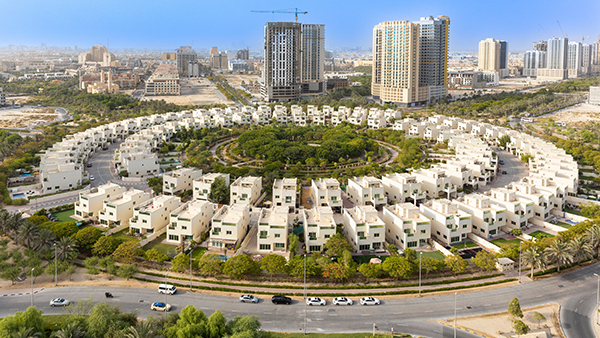
Dubai’s real estate market offers plenty of investment opportunities. Still, some communities stand out for their balance of affordability, rental potential, and lifestyle, and Jumeirah Village Circle (JVC) is one of them.

With a wide range of residential properties, established amenities, and access to major business districts, it continues to attract buyers looking for rental income and long-term growth potential.

What makes JVC particularly interesting is how these factors work together.

Also, understanding how rental yields and property prices benefit the community can help investors make more informed decisions.

1. A Location That Keeps Residents Connected

JVC offers convenient access to Al Khail Road and Sheikh Mohammed Bin Zayed Road, connecting residents to destinations such as Dubai Marina, Jumeirah Lakes Towers, and Downtown Dubai.

For professionals, this means easier access to business districts without necessarily paying the premium associated with living in central neighborhoods.

Connectivity also matters to landlords. Properties with convenient road access and nearby everyday services appeal to a broader tenant base.

However, the location of an individual building, traffic conditions, and access to public transportation all deserve consideration when buying a property in Dubai.

2. Rental Yields That Deserve a Closer Look

For anyone considering JVC property investment, rental income is an important part of the equation. Gross rental yields in JVC are estimated at approximately 7% to 9%. Keep in mind gross yield differs from net yield.

Indicative annual rental figures in JVC include:

  • Studios: AED 50,000
  • One-bedroom apartments: AED 72,000
  • Two-bedroom apartments: AED 108,000

Actual rents depend on the property’s location, size, condition, and amenities. But understanding JVC rental yield means looking beyond the headline percentage.

Consider an apartment purchased for AED 800,000 and rented for AED 64,000 annually. Its gross yield is 8%. If annual operating expenses reach AED 16,000, the net yield still delivers 6%.

Service charges, maintenance, management fees, insurance, and vacancies all affect the income an owner retains. Hence, these details deserve thorough analysis before purchase.

Read more: How is Rental Yield Calculated in Dubai Real Estate

3. Property Options for Different Budgets

One of JVC’s attractions is its range of residential properties, from studios and apartments to townhouses and villas. This gives buyers flexibility when choosing a property that matches their budget and investment objectives.

An indicative market comparison places JVC’s entry price at AED 718,000, with an average price of AED 1,490 per square foot.

By comparison, Dubai Marina is listed at AED 2,090 per square foot, while Business Bay is listed at AED 2,490.

These figures give JVC a price advantage. While the numbers favor JVC, individual projects may differ. Buyers should always check current transactions and price indices before purchasing.

Also, when assessing JVC property prices, look beyond the asking price.

Floor area, building quality, amenities, and service charges all influence a property’s overall value. These considerations are equally useful when comparing apartments for sale in Dubai across JVC and different communities.

4. Everyday Amenities That Make a Difference

A property’s appeal extends beyond its walls. JVC offers parks, playgrounds, schools, healthcare facilities, supermarkets, cafes, and fitness centers.

Circle Mall also adds shopping, dining, and recreational options within the community.

These facilities make everyday life more convenient for professionals and families. For landlords, a well-maintained property in a desirable location may help attract tenants and encourage lease renewals.

While amenities influence end-user decisions, keeping a home in good condition and pricing it competitively remains essential, especially when similar properties are available nearby.

5. Off-Plan Opportunities Worth Evaluating

For buyers willing to wait for completion, off-plan property in JVC offers another route into the market. New developments may also feature better contemporary layouts, modern amenities, and payment plans.

While payment plans dictate financial viability, investors should review the developer’s track record, project registration, escrow arrangements, contractual terms, construction progress, and expected handover date when they buy property in Dubai.

Delays can postpone rental income, and new project completions may increase competition among landlords.

Average annual operating expenses for one- and two-bedroom apartments in JVC are AED 12,000 to 25,000, depending on the building and ownership arrangements. These usually include service charges, maintenance, and management fees.

To analyze actual returns, buyers must compare the income and total ownership expenses before calculating expected returns.

Read more: Off-Plan vs Ready Apartments in Dubai: Pros and Cons for Investors

6. Balancing Growth Potential with Market Risks

JVC’s established infrastructure and continuing development contribute to its investment appeal, but property prices and rental income do not always move in the same direction.

Sale prices in JVC reportedly increased by approximately 8% year over year in Q2 2026, alongside a softer increase in rents for new leases.

Additional housing supply can also increase competition between landlords.

To avoid this, investors should compare recent sale transactions, the RERA rental index, and upcoming project handovers before deciding whether a property fits their intended holding period.

Making a Smart Property Investment in JVC

A property’s location, layout, construction quality, and amenities are what make it more appealing to buyers and tenants.

Practical floor plans, quality finishes, and facilities such as swimming pools, gyms, community zones, and sports courts add to everyday comfort, while competitive pricing strengthens its investment appeal.

Danube Properties contributes to JVC’s residential landscape with prime developments such as Serenz, Elitz, Elitz 2, and Elitz 3, which offer apartment options with world-class lifestyle amenities for investors looking to buy property in Dubai.

Beyond individual developments, JVC also offers a convenient community lifestyle, with parks, schools, supermarkets, cafes, and healthcare facilities close to residential areas. These everyday conveniences make the neighborhood attractive to families and working professionals.

Conclusion

JVC combines accessible property options with a well-connected location and amenities that support everyday community living.

Parks, schools, shops, and leisure facilities make daily routines more convenient for residents, adding to the area’s appeal for buyers and tenants.

Evaluating these factors alongside rental trends and competing supply can help buyers make informed decisions about a property investment in JVC.

For investors, rental yield and value appreciation are key indicators, which also depend on the property’s location, layout, amenities, and purchase price.

Frequently Asked Questions

Is JVC a good area for property investment?
JVC may appeal to buyers seeking rental income or long-term ownership. The right investment, however, depends on the property’s purchase price, rental prospects, and ongoing expenses.
What rental yield can investors expect in JVC?
Gross rental yields in JVC are estimated at approximately 7% to 9%. Actual returns differ by property and operating expenses.
What should buyers check before purchasing off-plan property?
Review the developer’s track record, project registration, payment terms, escrow arrangements, construction progress, and expected handover date.
What influences property prices in JVC?
Property size, building age, location, amenities, construction quality, and market demand all influence sale prices.
Is JVC suitable for long-term rental investments?
Yes, JVC offers diverse housing options and everyday amenities. Investors should assess rental demand, ownership costs, and competing properties.
CategoriesBlogs

How the Dubai Metro Blue Line Could Influence Property Investment

Dubai’s real estate market has always moved alongside the city’s growth. As new neighborhoods, business districts, and transportation networks take shape, accessibility becomes an increasingly important part of deciding where to live and invest.

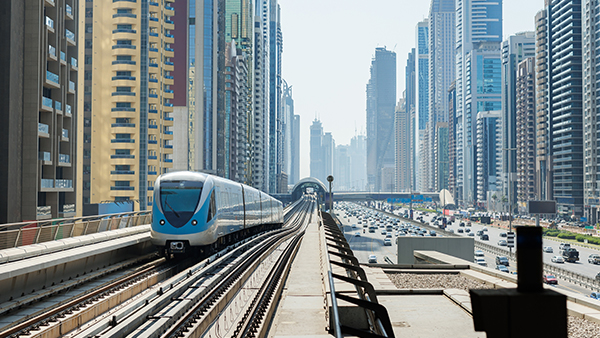
And the upcoming Dubai Metro Blue Line is set to add another major connection to Dubai’s transportation network.

With an investment of more than AED 20.5 billion, the project will span 30 kilometers and include 14 stations. It is scheduled to open on September 9, 2029, connecting with the existing Red and Green Metro Lines.

The route will serve Dubai Creek Harbour, Dubai Festival City, Ras Al Khor, International City, Dubai Silicon Oasis, Academic City, Mirdif, and Al Warqa. The communities along the route are expected to accommodate nearly one million residents by 2040, giving the project significance well beyond transportation.

For investors, the interesting question is what this new connection could mean for accessibility, demand, development, and property values.

How the Metro Expansion Connects to Real Estate

Think about what makes a location convenient. It is not just the property itself, but also how easily residents can go to work, university, shopping, entertainment, and other places they visit regularly.

That is where public transport infrastructure comes in. A metro station gives residents a time- and cost-effective alternative to private vehicles while connecting a neighborhood to a much wider part of the city.

The Blue Line also supports Transit-Oriented Development, or TOD. The idea is straightforward: bring homes, businesses, retail, education, and leisure closer to public transportation so that people can move between everyday destinations more easily.

For Dubai property investment, this public transport upgrade becomes an important part of assessing a location, alongside price, property quality, demand, and amenities.

How does the Blue Line Influence Property Prices?

The potential effect on property prices in Dubai is one of the biggest reasons investors are paying attention to the project.

The Roads and Transport Authority has estimated that the Blue Line could generate more than AED 56.5 billion in economic benefits by 2040 through shorter travel times, lower fuel consumption, fewer traffic-related costs, and other economic effects.

RTA also projected that land and property values around Blue Line stations could increase by up to 25%.

It is important to put that figure into context. The 25% is a projection, not a guaranteed increase for every property near the route. The actual result greatly depends on the individual property, its purchase price, demand, quality, amenities, and competing supply.

There is also a timing element.

Real estate markets react more to major infrastructure projects near completion. Investors may start reassessing a location when a route is announced, then continue watching it grow as construction progresses toward the 2029 opening.

For a closer look at the relationship between the Blue Line and Dubai’s property market, read Dubai Metro Blue Line and Real Estate: A Game Changer for Property Value.

Which Communities Could Benefit?

One of the most interesting things about the Blue Line is the variety of communities it connects. Each has a different role in Dubai’s real estate market.

Dubai Creek Harbour is a major waterfront development with residential, retail, leisure, and hospitality offerings. The planned station adds rail connectivity as the community continues to expand.

Dubai Festival City is already an established mixed-use destination, combining residential, commercial, retail, hospitality, and entertainment facilities. Metro access will add another transportation option to an area with an existing range of amenities.

Ras Al Khor is undergoing continuous development, while International City already has a large residential population. Better rail connections only strengthen its links with other parts of Dubai.

Dubai Silicon Oasis combines residential, commercial, educational, and technology-focused uses, giving it a strong connection to Dubai’s business and education sectors.

Academic City has a more specialized demand base, with universities and other educational institutions serving students, faculty, and staff. Convenient rail access could make regular journeys to the area easier.

Mirdif and Al Warqa are established residential communities where road transportation has traditionally been important. The Blue Line will introduce another accessible and cost-effective public transportation option for residents.

Because these communities are at different stages of development, investors should look at the particular characteristics of each location rather than treating the entire route as one market.

For a broader look at Dubai’s emerging metro-connected investment areas, read Upcoming Metro-Connected Communities for Real Estate Investments in Dubai.

What Makes a Property Truly “Near” the Blue Line?

When considering properties near Dubai Metro Blue Line, the word “near” needs to mean something practical.

A property in a Blue Line community may still require a car or taxi to reach the nearest station. A property within a comfortable walking distance offers a very different level of convenience.

Investors should check the actual walking time, pedestrian routes, sidewalks, road crossings, and access to the station entrance. These details determine whether residents will realistically use the metro as part of their daily routine, and eventually the property price.

The wider network matters, too.

Connections to the Red and Green Lines will also give Blue Line passengers access to more destinations across Dubai. It means more connectivity and convenience, which directly translates into financial returns.

What Could This Mean for Rental Demand?

For renters, commute is part of everyday life. A professional may want a convenient route to work, while a student may prioritize easy access to a university.

That supports interest in apartments near the Metro Blue Line, particularly among residents who regularly use public transportation.

The Blue Line is expected to carry around 200,000 daily passengers by 2030, with projected passengers reaching around 320,000 by 2040. These figures indicate the scale of use expected as the surrounding districts grow.

For landlords, passenger numbers are only part of the picture.

Rent, occupancy, building condition, layouts, amenities, and service charges also influence whether tenants choose one property over another. However, total moving volume in the corridor still influences rental returns, even if it’s by a small percentage.

Why the 2029 Timeline Matters for Off-Plan Buyers

The planned operational date is most relevant for off-plan property near the Metro Blue Line.

An off-plan development purchased during construction could be handed over closer to the metro’s planned opening. It gives buyers a timeline to compare expected property completion with infrastructure progress to assess potential rental demand or plan a move-in.

The surrounding community matters, too.

Roads, retail, schools, healthcare facilities, and recreational spaces all contribute to how functional a development will be when residents move in.

Investors should also check how many new residential units are expected to enter the market around the handover date.

A large number of new properties can increase competition between landlords and sellers. It can also increase the overall demand.

In such scenarios, the developer, payment plan, construction progress, service charges, and expected rental income become the differentiators, and therefore should be assessed alongside the metro timeline.

Why Interchange Stations Hold More Significance

The Blue Line is not being built as a standalone route. Its connection to Dubai’s existing metro system is one of its biggest advantages.

Interchange stations will allow passengers to seamlessly move between the Blue, Red, and Green Lines, enabling access to a much larger network of employment centers, universities, commercial districts, and other destinations.

For investors, this means greater passenger volume, more accessibility, and greater connectivity for their tenants.

What Should Investors Check Before Buying?

The Blue Line can strengthen the appeal of a location, but the property itself still needs to make sense as an investment.

Before buying, investors should check:

  • Station proximity: Confirm the actual walking time and pedestrian route.
  • Community amenities: Review schools, healthcare facilities, supermarkets, restaurants, retail, and recreation.
  • Rental performance: Compare achievable rents, occupancy, and similar properties.
  • Future supply: Review planned and under-construction residential projects.
  • Property quality: Examine layouts, building condition, amenities, and maintenance.
  • Ownership costs: Include service charges, transaction expenses, financing costs, and other recurring expenses.
  • Development timeline: Compare the property’s completion date with major infrastructure milestones.
  • Purchase price: Determine whether the asking price rightly factors in the expected Blue Line benefits.

The Blue Line and Dubai’s Long-Term Growth

The Blue Line fits into Dubai’s broader approach to urban development and mobility.

Its route brings residential communities, education hubs, technology districts, waterfront developments, and mixed-use areas into a more connected network.

The RTA projects that the project could reduce congestion along key corridors by around 20%. The line will also provide a direct metro connection to Dubai International Airport via the Red Line.

With the communities along the route expected to accommodate nearly one million residents by 2040, the project is designed to support a significant part of Dubai’s future growth.

For the overall real estate market, that makes the Blue Line relevant not just to individual properties, but to the way entire communities develop over time.

Final Words

The Dubai Metro Blue Line could become an important part of Dubai’s next phase of urban and real estate growth. Its 30-kilometer route, 14 stations, and connections to the existing metro network will bring several residential and development areas closer to the wider city.

For investors, the opportunity is in understanding what that improved connectivity means for a specific property. Consider station proximity, rental demand, future supply, property quality, ownership costs, and purchase price together.

And for anyone considering a Dubai property investment for personal use, the Blue Line offers a useful way to look ahead while keeping the focus on the fundamentals that make a property worth investing in.

Frequently Asked Questions

What is the Dubai Metro Blue Line?

The Dubai Metro Blue Line is a planned 30-kilometer metro route with 14 stations and an investment value of more than AED 20.5 billion. It is scheduled to open on September 9, 2029, and will connect with Dubai’s existing Red and Green Lines.

How could the Blue Line affect property prices in Dubai?

The RTA has projected that land and property values around Blue Line stations could increase by up to 25%. This is a projection, not a guaranteed increase. Actual property performance will depend on factors such as location, price, quality, demand, and supply.

Which areas will the Blue Line serve?

The route will serve Dubai Creek Harbour, Dubai Festival City, Ras Al Khor, International City, Dubai Silicon Oasis, Academic City, Mirdif, and Al Warqa.

What should investors look for in properties near the Blue Line?

Investors should check the actual walking distance to the station, pedestrian access, nearby amenities, rental performance, future supply, property quality, ownership costs, and purchase price.

Is off-plan property near the Blue Line worth considering?

An off-plan property near the Metro Blue Line can be worth considering when its expected completion fits the infrastructure timeline.

Investors should also assess the developer, payment plan, construction progress, service charges, expected rental income, and competing developments before making a purchase.

CategoriesBlogs

Buying Property Before Construction vs. After Completion: Which Makes More Financial Sense?

In Dubai’s dynamic real estate market, a diverse range of residential developments caters to different budgets, investment horizons, and ownership goals.

And each property purchase starts with a timing decision.

Some buyers commit to a home while construction is underway, working from approved plans, specifications, and a developer’s delivery schedule

Others prefer to walk through a completed apartment, inspect the finishes, and assess its rental potential before signing the agreement.

Though both approaches support a sound investment in their own right, their financial implications differ across payment schedules, rental income, capital appreciation, and risk exposure.

Property investment in Dubai calls for understanding these differences, which provides a practical foundation for choosing an investment that aligns with financial capacity and long-term objectives.

1. Before Construction: The Case for Off-Plan Property in Dubai

An off-plan purchase involves acquiring a property before construction is complete.

The appeal lies in getting involved early.

Purchasing during the launch or construction phase tends to open up a wider choice of preferred layouts, floors, and spectacular views.

It also provides access to payment structures designed around the development timeline, making it easier to plan a substantial purchase over several months or years.

Three factors make this route particularly worth examining.

Flexible Payment Schedules

One of the main advantages of buying off-plan property in Dubai is the opportunity to spread payments across agreed instalments or construction milestones.

Danube Properties’ 0.5% and 1% monthly payment plans offer additional flexibility, helping buyers organize their finances while managing a substantial purchase.

The overall budget should also account for registration fees, applicable financing costs, service charges after handover, and furnishing expenses.

Read more: Best Payment Plans for Investors Buying Off-Plan Property in Dubai

Potential for Capital Appreciation

An early purchase benefits from rising demand, infrastructure improvements, and greater neighbourhood maturity during the construction period.

And when a property commands higher prices at handover than the original purchase price, it delivers its expected capital appreciation.

The entry price, competing supply, construction quality, location, and broader market conditions establish whether the asking price offers a credible opportunity.

Planning for A Longer Investment Horizon

Off-plan purchases suit buyers when finances are planned, and the property is prepared for future occupation or leasing.

The construction period allows time to study rental demand and assess the area’s development trajectory.

Rental income begins only after handover, and delays can affect anticipated returns and create financial pressure for buyers working towards a specific move-in or rental date.

For a broader investment strategy, explore the guide on How to Build a Profitable Real Estate Portfolio in Dubai in 2026.

2. After Completion: The Advantages of a Ready Property in Dubai

A ready property in Dubai offers a completed home that can be physically inspected before purchase.

With the construction complete, the focus shifts to the property’s current market value, demand, rental potential, and vacancy rate.

For investors seeking greater clarity on the asset and a shorter route to potential rental income, a completed property offers several advantages worth considering:

Immediate Rental Income

Dubai’s rental market offers a useful benchmark for investors.

As of October 2026, apartments recorded an estimated 6.1% gross rental yield citywide, according to Dubai Real Estate Data.

Once ownership transfer and the necessary arrangements are complete, a ready property can be occupied or prepared for leasing almost immediately.

Investors can easily assess prevailing rents and estimate potential income using existing market evidence.

This visibility helps when rental returns form a central part of the investment strategy.

Greater Visibility Before Purchase

A completed apartment allows buyers to evaluate space layouts, aesthetics, finishes, storage, and common facilities firsthand.

A physical inspection reveals practical considerations that brochures and floor plans tend to leave unclear.

The ability to assess building management, service charges, maintenance standards, occupancy levels, and nearby amenities also drives appeal, especially for old-school buyers.

More Certainty Around Possession

A completed property eliminates construction delays and the risks associated with an unfinished development.

Buyers can plan occupation, furnishing, or leasing around the transfer process based on the property’s actual condition.

However, the purchase price, potential appreciation, rental income, and associated costs ultimately determine whether the investment delivers the expected returns.

Price, Risk, and Return: What the Numbers Reveal

Regardless of the type of property, the purchase price offers only one part of the financial picture.

Total acquisition costs, income potential, holding expenses, and resale prospects all contribute to the investment’s performance.

The Dubai real estate market recorded more than 48,000 residential transactions worth AED 176.7 billion in Q1 2026, with off-plan properties accounting for 70% of market activity.

Their share increased further in Q2 2026, reaching 76% of the total sales value.

These figures demonstrate strong demand for off-plan properties, but transaction volumes alone cannot determine which option offers better returns.

Any meaningful comparison should examine five factors:

●      Initial capital

Off-plan schedules distribute payments over time, while completed purchases follow the agreed transfer and financing arrangements.

●      Rental income

Completed homes give an earlier start to leasing, subject to transfer completion, property readiness, and tenant demand.

●      Capital appreciation

Off-plan investments gain value before handover, depending on market performance and the original purchase price.

●      Holding expenses

Financing, service charges, maintenance, furnishing, and vacancy affect net returns across both categories.

●      Resale flexibility

Demand, outstanding payment obligations, contractual provisions, and applicable transfer requirements influence exit options.

For a well-planned Dubai property investment, projected returns should reflect actual expenses and realistic rental assumptions.

Gross rental yield provides an initial comparison, while net yield offers a more useful picture after recurring operating costs and vacancy allowances.

Read more: Off-Plan vs Ready Property in Dubai: Pros and Cons for Investors

Due Diligence: What Every Buyer Should Verify

The checks differ across purchase types, and both require careful scrutiny.

For off-plan properties, buyers should examine the developer’s delivery record, construction progress, payment milestones, contractual handover date, and provisions governing delays or cancellations.

Project registration and relevant documentation should also be verified through the appropriate authorities.

The Dubai Land Department provides a regulatory framework called Oqood for off-plan developments, including project escrow accounts.

These accounts govern how project funds are held and disbursed under prescribed procedures, supporting the development process and buyer protection.

Read: Legal Checklist Before Signing a Dubai Off-Plan Agreement.

For completed homes, checks should cover title records, outstanding liabilities, physical condition, building management, service charges, and comparable rental rates.

An independent inspection helps identify defects and estimate potential repair costs before the purchase is finalized.

Location deserves equal attention in both cases. Transport connections, employment centers, schools, retail facilities, planned infrastructure, and competing residential supply all influence tenant demand and long-term resale prospects.

Which Option fits the Investment Strategy?

The most suitable choice depends on the financial objective, available capital, and expected holding period.

A competitively priced completed apartment may offer attractive prospects, while a well-selected off-plan development suits investors comfortable with a longer timeline.

When comparing apartments for sale in Dubai, buyers should assess the property’s location, specifications, purchase terms, and expected performance.

Movements in property prices in Dubai can influence both segments, making entry price and financial planning central to the decision.

The guidelines as follows provide a starting point for evaluating individual opportunities:

Investment priority Suitable starting point
Spreading payments during construction Off-plan property
Starting rental income sooner Completed property
Inspecting the actual apartment Completed property
Investing with a longer time horizon Off-plan property may suit
Planning around a more predictable possession timeline Completed property

With flexible payment plans, thoughtfully designed homes, and lifestyle-focused amenities, Dubai’s renowned developers, like Danube Properties, make finding a home that fits both budget and desired lifestyle accessible, regardless of the construction timeline.

Conclusion

Every property comes with a price. The real value lies in what that price makes possible.

An off-plan purchase offers financial flexibility and room for future growth, while a completed home provides immediate clarity and a faster path to rental income.

The smarter choice comes down to the numbers, the timeline, and whether the property is meant to support your life or an investment.

With thoughtfully designed homes and flexible payment plans, Danube Properties brings that decision closer to reality, making the journey towards a valuable investment and a place to call home more attainable.

Because the best property decision is one that makes financial sense today and holds promise for tomorrow.

FAQs

Is buying off-plan property in Dubai better than buying a ready property?

Off-plan properties offer flexible payment plans and potential price growth, while ready properties allow immediate use and generate rental income sooner.

The better option, however, depends on the buyer’s goal, purchase price, investment horizon, financial capacity, and expected returns.

Can off-plan property in Dubai generate rental income before completion?

No. Rental income usually starts after construction, handover, and once tenants move in.

Investors should account for the waiting period when estimating returns and planning cash flow.

Do ready properties in Dubai offer better rental returns than off-plan properties?

Not always. Rental returns depend on location, purchase price, tenant demand, service charges, and vacancy periods. Ready properties can generate rent sooner, while off-plan properties may offer potential price growth before completion.

What are the biggest risks of buying off-plan property in Dubai?

Key risks include construction delays, changing market conditions, slower-than-expected appreciation, and uncertainty around future rental demand.

Checking the developer’s delivery record, project registration, escrow arrangements, payment schedule, and contractual terms helps buyers make informed decisions.

What should buyers compare before investing in off-plan and ready properties in Dubai?

Buyers should compare the total purchase cost, payment schedule, expected rental income, potential capital appreciation, service charges, maintenance expenses, and resale prospects.

Evaluating these factors together helps establish which option best suits the investment objective.