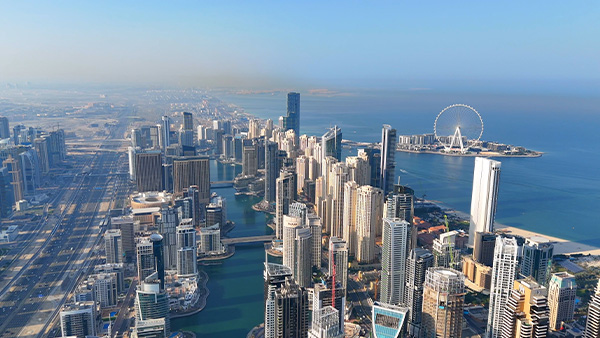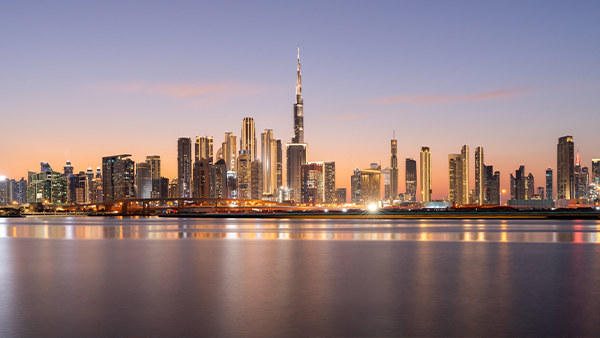
Over the past decade, Dubai has evolved far beyond a short-term travel destination.
It’s now positioned as a lifestyle capital where several global residents return year after year, not just as visitors, but as homeowners.
This shift has fuelled a growing interest in holiday homes, where personal use blends seamlessly with rental income opportunities.
Only a few markets offer the same balance of regulation, demand, stability, and lifestyle appeal as Dubai’s residential sector. From compact studios to luxurious houses with amenities, the city offers diverse ownership options designed for flexible living and income generation.
Considering the above, setting up a holiday home is one of the best investments in a country with such a high tourist footfall.
As we dive deeper, we realize that it’s more than choosing the best location. It involves understanding costs, expected returns, property types, and long-term value, which we’ll navigate through in this guide.
Why Holiday Homes Continue to Gain Momentum in Dubai
Dubai’s tourism ecosystem operates year-round. International events, business travel, extended winter stays, and family vacations keep short-term demand consistently strong.
This demand has directly benefited holiday home owners, particularly in well-connected neighbourhoods with lifestyle infrastructure.
The appeal lies in versatility.
Holiday homes allow personal use during select periods while generating income during peak seasons. This dual advantage makes these residential assets in Dubai more dynamic than traditional long-term rentals.
The demand peaks in late winters and early spring, when global travel patterns align with Dubai’s event calendar and climate.
During these periods, nightly rates rise sharply, pushing overall annual earnings well above standard long-term leasing benchmarks.
On average, a single holiday rental property in Dubai can generate annual revenues of more than AED 145,000, depending on location, unit size, and furnishing quality.
The UAE’s clear property laws and dedicated short-term rental regulations further support investor confidence.
And real estate registration frameworks ensure transparency, while professional management services simplify operations.
Understanding the Real Cost of a Holiday Home License
Before listing a property, owners must secure a holiday home permit from Dubai’s Department of Economy and Tourism (DET).
While the process is straightforward, the cost structure extends beyond a single application fee.
The initial DET registration fee is AED 1,500, accompanied by a Knowledge Fee of AED 10 and an Innovation Fee of AED 10, bringing the base application cost to AED 1,520.
Once registered, permit fees are charged annually based on unit size. For a studio home in Dubai or a one-bedroom unit, the annual permit fee averages AED 370, while larger homes can reach AED 1,270 per year.
A permit issuance fee of AED 300 per bedroom applies to all Holiday homes, along with an additional AED 300 annual renewal fee per bedroom.
Properties are classified as Standard or Deluxe, with a classification certificate costing AED 50.
Tourism Dirham Fee and Municipality Charges
Operational costs are closely tied to guest stays.
Holiday homes are required to collect a Tourism Dirham fee, charged per occupied bedroom per night.
This is AED 10 per night for Standard units and AED 15 per night for Deluxe homes, payable monthly based on actual bookings.
In addition, Dubai Municipality applies a 10% fee on rental income, deducted monthly. These recurring charges fluctuate with occupancy but must be tracked consistently to maintain accurate profit margins.
Utility, Insurance, and Setup Costs
Beyond licensing, several fixed expenses apply.
Ejari registration costs AED 195, while DEWA deposits range between AED 2,000 and AED 4,000, depending on property size and expected consumption. This deposit remains refundable.
The annual home insurance costs between AED 1,000 and AED 2,000, and is mandatory for licensed units.
Furnishing and setup represent the largest one-time expense, usually ranging from AED 20,000 to AED 60,000, depending on whether the unit is a furnished villa, a 1- or 2-bedroom home in Dubai, or a studio.
Expected Returns and Yield Potential
Despite these costs, holiday homes continue to outperform traditional rentals.
Short-term rentals in Dubai deliver 7% to 11% annual returns, with upside during peak seasons. During major events, nightly rates increase by 30% or more.
For example, a 2-bedroom home in Dubai renting at AED 400 per night during regular periods can command AED 600 per night during events such as the Dubai Shopping Festival or large exhibitions.
On a setup investment of AED 60,000, this reflects strong first-year performance.
Choosing the Right Property Type
Holiday home performance varies by layout and location.
Studio homes in Dubai offer lower entry points and faster occupancy turnover, while beachfront homes and waterfront apartments attract premium nightly rates.
Properties offering strong amenities in Dubai, such as pools, gyms, concierge services, and proximity to attractions, consistently outperform average listings.
At Danube Properties, we have delivered homes that naturally align with holiday rental demand, offering functional layouts, strong amenities, and locations suited for both short-term guests and long-term owners.
Compliance and Risk Management
Dubai maintains strict compliance standards for holiday homes.
Unregistered listings can attract fines of AED 5,000 per property, while failure to submit guest passport details carries penalties of AED 1,000 per incident.
Late renewals may result in fines between AED 200 and AED 500, and repeated violations can lead to listing suspension.
To avoid disruptions, owners are advised to renew permits early, maintain digital guest records for at least 12 months, and ensure safety features such as smoke detectors and fire extinguishers are installed.
Long-Term Outlook for Holiday Homes in Dubai
Dubai’s holiday rental market continues to mature under structured regulations and rising global demand.
With high tourist footfall year-round, predictable licensing systems, and diverse housing options ranging from compact studios to luxurious houses for sale, holiday homes in Dubai remain a compelling investment category.
When paired with well-planned cost management, properties designed for modern living offer great short-term rentals, flexibility, income stability, and long-term value growth.
Developers like Danube Properties continue to support this ecosystem by delivering homes that blend affordability, design efficiency, and luxury living with over 40 world-class amenities.
Final Thoughts
Setting up a holiday home in Dubai requires understanding numbers, timing, and positioning.
From the one-time AED 1,520 registration costs to the whopping AED 147,000 in annual revenue, every figure and strategic move plays a role in shaping returns.
With structured oversight, rising tourist demand, and a wide range of houses with amenities in Dubai, the emirate remains one of the most attractive global destinations for holiday home investments.
When approached with clarity, planning, and the right developer, this segment of Dubai’s real estate market offers lifestyle flexibility and long-term financial reward.