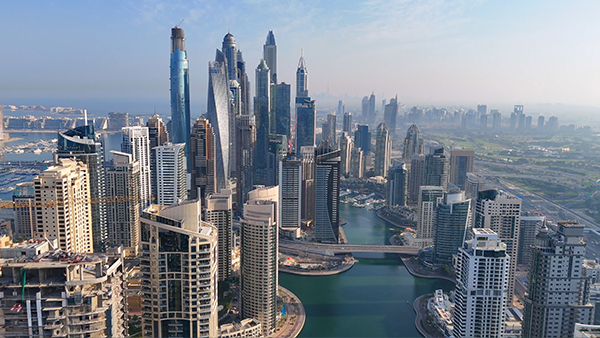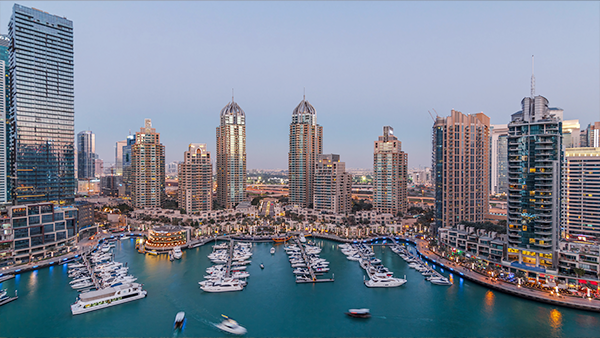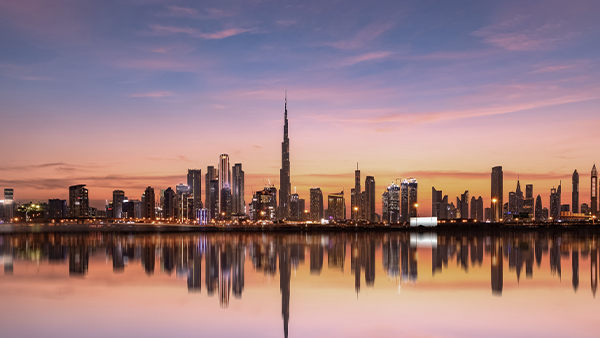
Dubai’s real estate market has spent the past few years attracting buyers, investors, and developers from around the world, strengthening its position as a major destination for real estate investment.
As the city continues to expand, however, the conversation is shifting.
Buyers are looking beyond attractive listings and asking more practical questions: Is the price right? Will the location hold its appeal in the next 10 years? And what will ownership actually cost over time?
This more considered approach is likely to influence the Dubai property market in 2027.
Property Finder’s Market Pulse survey in 2026 reflected the changing mood, with approximately 70% of respondents expecting prices to soften and 68% planning to purchase within the following six months.
The figures suggest that interest remains strong, but buyers are becoming more selective about where and when they invest. Understanding the trends behind this shift can help prospective homeowners and investors approach the year with greater clarity.
Dubai Property Market: A Look at Recent Performance
Dubai’s property sector began 2026 with considerable momentum.
According to the Dubai Land Department (DLD), real estate transactions reached AED 252 billion in Q1 2026, representing a 31% increase compared with the same period in 2025.
The quarter recorded 60,303 transactions and attracted 29,312 new investors, while foreign investment reached AED 148.35 billion.
Despite geopolitical tensions in the region, Dubai’s real estate market demonstrated resilience and recovered strongly.
According to DLD data, the market recorded approximately AED 624.8 billion in total real estate transaction value between January and October 2026, across 181,866 transactions, maintaining strong transaction activity.
Together, these indicators paint a positive outlook for 2027, supported by continued demand and investor interest.
What will Shape Dubai Real Estate in 2027?
Three factors influence the real estate market: population growth, residential supply, and affordability.
Together, they will help determine where demand develops and which properties attract buyers.
Population Growth and Housing Demand
Dubai’s population surpassed 4.5 million in 2025 and 4.8 million in September 2026, crossing the early projections for 2026 by September, leaving more growth for Q4.
And as more people move to the city, the demand for housing naturally grows and extends across different residential needs.
Professionals prefer apartments close to employment centers, while families look for larger homes near schools, healthcare facilities, and recreational spaces.
This makes location and everyday convenience important considerations.
Read more: How Demographic Shifts are Influencing Property Demand in Dubai.
New Residential Supply
More than 150,000 residential units were launched in 2025, while approximately 83,000 completions were projected for 2026. More than 525,000 units are scheduled for delivery between 2027 and 2030.
For buyers, additional inventory means more choice, particularly in neighborhoods with several upcoming developments.
For landlords, it could bring greater competition for tenants, making building quality, facilities, and rental pricing increasingly important.
Financing and Affordability
Financing conditions also tremendously influence purchasing decisions.
Mortgage rates, lending requirements, and down-payment expectations affect how much buyers can comfortably spend.
A realistic budget should account for registration fees, mortgage payments, service charges, and maintenance costs to reflect the true cost of ownership.
Dubai Property Prices: Understanding Residential Segments
The outlook for Dubai property prices in 2027 will depend partly on property type and location.
Apartments, villas, and townhouses appeal to different buyers, and their performance should be assessed separately.
Apartments face stronger competition in neighborhoods receiving substantial new inventory.
Buyers should compare usable floor space, layouts, natural light, parking, building facilities, and annual service charges.
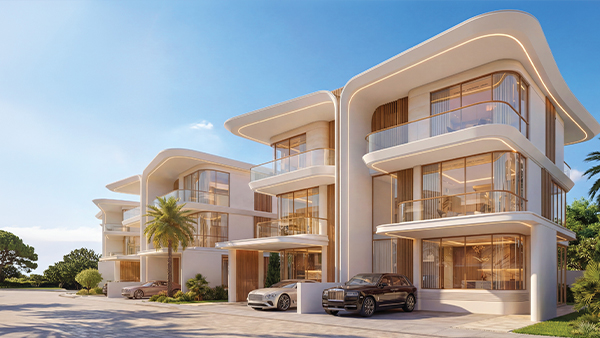
Villas and townhouses, on the other hand, appeal to households seeking additional space, privacy, and community amenities.
Plot size, built-up area, outdoor space, and proximity to schools, hospitals, malls, and markets influence their decisions.
However, higher purchase prices and maintenance expenses remain important affordability considerations.
The 2026 market reported that freehold villa values had increased by approximately 206% since the pandemic. This highlights the segment’s historical performance.
For investors looking towards 2027, this reinforces the importance of evaluating established demand, property type, and long-term growth potential when choosing an investment.
Off-Plan vs. Ready Properties
One of the biggest decisions facing buyers is whether to purchase a property before completion or choose a home that is already built.
Both options have advantages, but the right choice depends on budget, timeline, and intended use.
Off-Plan Property in Dubai
An off-plan property in Dubai is purchased before construction is completed.
Developers offer structured payment schedules for off-plan properties, allowing buyers to spread payments across agreed milestones.
New developments also feature contemporary layouts and modern amenities.
However, purchasing before completion requires careful research. Before signing an agreement, buyers should review:
- Developer history: Examine completed projects, construction standards, and delivery timelines.
- Project registration: Verify registration details and designated escrow arrangements.
- Payment obligations: Understand installment dates, milestone conditions, and additional charges.
- Handover terms: Review the expected completion date and contractual provisions relating to delays.
- Market pricing: Compare the launch price with completed properties in the surrounding area.
It is also important to account for the waiting period before occupancy or rental income begins.
For a closer look at the process, read the complete guide to buying off-plan property in Dubai.
Ready and Near-Ready Properties
Completed homes offer the opportunity to inspect the actual property before purchasing.
Buyers can assess layouts, finishes, systems, fixtures, and common areas.
For investors, existing rental agreements provide useful evidence when estimating potential income.
Near-ready developments offer a middle ground, provided construction progress and handover arrangements are verified.
Dubai Property for Foreign Buyers
Dubai continues to attract international purchasers, making ownership requirements an important part of the buying process.
Foreign nationals can purchase eligible residential properties in designated freehold areas, subject to applicable ownership regulations.
A significant attraction of Dubai property for foreign buyers is the UAE’s tax structure.
The country does not levy personal income tax or capital gains tax on personally held investment properties.
Understanding the ownership framework is equally important.
Buyers should verify the property’s ownership status, review the sale and purchase agreement, and understand registration requirements before completing a transaction.
Read more: Why Global Investors Are Choosing Dubai Real Estate?
Rental Returns and Dubai Property Investment
For investors, rental income is another important part of the decision.
According to the August 2026 market report, average gross residential rental yield stood at approximately 6.3%. Apartments recorded around 6.7%, compared with 5.1% for townhouses and 4.5% for villas.
These figures give investors a useful benchmark for comparing potential rental returns across property types, assessing income-generating opportunities, and making more informed investment decisions.
However, to estimate net returns, owners should deduct service charges, maintenance, property management fees, insurance where applicable, and periods without tenancy.
For buyers exploring apartments for sale in Dubai, access to workplaces, schools, retail destinations, and transport links influences tenant demand.
Future resale appeal also shapes Dubai property investment assessments.
For a closer comparison of investment opportunities, explore Dubai rental yields by area.
Three Dubai Communities Worth Exploring
Dubai’s evolving residential landscape makes choosing the right location increasingly important, particularly in areas with new infrastructure, population growth, and rising housing demand.
Here are the neighbourhoods worth keeping on your radar for 2027:
- Dubai South: With major infrastructure developments, including the expansion of Al Maktoum International Airport, Dubai South offers long-term growth potential.
Apartments here recorded gross rental yields of approximately 7.4% in Q3 2026.
Its emerging residential communities are worth exploring for investors with longer investment horizons.
- Jumeirah Village Triangle (JVT): Known for its family-friendly environment, villas, townhouses, and residential amenities, JVT appeals to tenants seeking longer-term accommodation.
Apartments offer gross rental yields of 7.4%, adding to the investor appeal.
- Arjan: This growing residential district offers modern apartments at comparatively accessible price points. Apartment rental yields stand at approximately 7.2% in this area.
Its proximity to major roads, retail destinations, and leisure attractions makes it worth considering for rental-focused investors.
While these locations offer different advantages, the experience of living in each also depends on the chosen development. Hence, comparing individual developments is more useful than a neighborhood or area analysis.
Conclusion
The 2027 outlook for the Dubai property market will be shaped by population growth, new housing supply, financing conditions, and residential demand.
The figures from 2026 point to a market that continues to attract investment while encouraging more careful purchasing decisions.
For Danube Properties, these developments highlight the importance of residential planning that reflects modern housing requirements, from practical layouts to well-considered community facilities.
For prospective buyers, the focus should remain on finding a property that fits their budget, location preferences, and long-term plans.
Frequently Asked Questions
Is 2027 a good time to buy property in Dubai?
The market resilience across 2025 and 2026 suggests that 2027 will be a promising time to invest in Dubai, supported by continued population growth, sustained rental demand, and attractive residential yields.
The market’s resilience, expanding infrastructure, and international investor interest further strengthen its long-term property investment appeal.
Which areas in Dubai offer good property investment potential in 2027?
Areas such as Dubai South, Jumeirah Village Triangle (JVT), Arjan, Business Bay, and Dubai Hills Estate offer varied opportunities, from rental income to long-term capital appreciation.
However, the right choice depends on your budget, investment horizon, and preferred property type.
Is off-plan property in Dubai a good investment?
Will Dubai property prices increase in 2027?
Property prices will continue to see more growth in select communities, particularly those benefiting from infrastructure development, population growth, and strong end-user demand.
However, performance is likely to vary by location, property type, and supply levels.